Today, the World Cup will enter its eighth matchday, with the second round of the group stage about to begin. The Czech Republic and South Africa, both defeated in the opening round, will meet in a do-or-die clash, while Mexico and South Korea will each be aiming for a second straight win. In Group B, all four teams earned one point and scored one goal in the first round, and all of them will be looking to claim victory in the second round. Here is today’s matchday preview.
Czech Republic vs South Africa: A Fierce Battle for a First Point
The Czech Republic and South Africa both suffered defeats in the opening round, though the manner in which they dropped all three points was completely different. The Czechs once glimpsed victory: No. 7 center-back Krejci rose high and headed the ball into South Korea’s net, but Hwang In-beom’s placed shot and Oh Hyeon-gyu’s quick finish later wiped out their advantage. Across the match, the Czech Republic managed only seven shots, four on target, with most of their threat coming from set pieces and a serious lack of creativity in open play. Even more worrying was how this Eastern European side lost control of midfield after taking the lead, repeatedly allowing South Korea to attack the half-spaces, and ultimately paid the price. South Africa’s night was even darker. Against host nation Mexico, they not only lost 2-0, but also lost two key players: Sithole and Zwane were both sent off, with Zwane suspended for three matches and possibly bidding an early farewell to the World Cup. Both teams have zero points after the first round of the group stage. The loser of this direct clash can all but book a flight home, while the winner will at least preserve a slim chance of competing for one of the “best third-place” spots.
From the Czech Republic’s perspective, their biggest advantages lie in physical duels and aerial play. The team’s average height is far greater than South Africa’s, which could be deadly in both attacking and defending set pieces. In the opening round, the Czech Republic scored precisely by using a throw-in that led to Krejci’s header, while Soucek and Schick also possess extremely strong aerial ability. South Africa’s air-defense alarm will likely be ringing almost throughout the match. Head coach Koubek needs to make adjustments in attack, perhaps by having Schick drop deeper to link up play and create inside-cutting space for the two flanks. Otherwise, relying solely on long balls may not work against South Africa’s compact, withdrawn defense.

For South Africa, their opening-round collapse was largely disrupted by red cards, but even during the earlier spell when they still had 11 players, they barely posed any real threat to Mexico’s goal. They managed just three shots in the whole match, with their attack almost invisible. The absence of midfielder Zwane is a devastating blow, and with both he and Sithole suspended, head coach Broos has no choice but to hastily assemble an entirely new midfield combination. For a team already at a disadvantage in strength, this is adding frost to snow. For South Africa, they must abandon any illusion of “playing for a draw,” because one point means almost nothing to them. If they cannot take three points from the Czech Republic, their final match against South Korea will be even more perilous. They may look to South Korea’s comeback strategy against the Czechs, using quick transitions and wing attacks to wear down the Czech Republic’s tall defenders, since the Czech back line’s slow turning speed is an open secret.
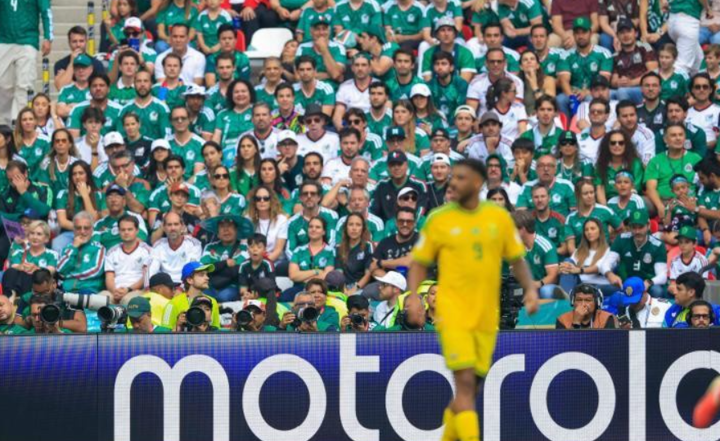
The two teams have met only once in official competition, at the 1997 Confederations Cup, where they drew 2-2. They have never faced each other at the World Cup. The key theme of this match is the contest between “height” and “speed”: can the Czech Republic use their physical advantage to establish an early lead, and can South Africa maintain defensive discipline and counterattacking efficiency despite missing two key players? The qualification picture in Group A is actually very clear: Mexico and South Korea are tied on three points in the top two spots, so the loser of this match will basically be eliminated, while the winner will keep hope alive. A draw would leave both teams in an extremely passive position. This is therefore destined to be a life-or-death battle with knives drawn — no probing, only fighting for survival.
Match Information
Match time: June 18, 12:00 local time
Venue: Atlanta Stadium, United States
Referee: Penso, United States
Switzerland vs Bosnia and Herzegovina: Both Teams Fighting for a First Win
The Group B standings after the opening round are truly harmonious: all four teams drew 1-1, leaving points, goal difference, and goals scored completely identical. But looking more closely at the matches, Switzerland must feel devastated. They unleashed 26 shots, held 68% possession, and had a pass success rate above 90%, essentially pinning Qatar in their own half for an attacking-and-defensive drill. Embolo’s penalty seemed to have sealed victory, but in the fourth minute of stoppage time, Muheim accidentally deflected the ball into his own net while defending, turning three points into one and sending Yakin’s team crashing from heaven back to earth. Switzerland’s Achilles’ heel has always been their lack of cutting edge up front. Twenty-six shots in the first round produced only one goal; if that efficiency does not improve, they may repeat the same mistakes against Bosnia and Herzegovina’s packed defense. Bosnia and Herzegovina arrive in Los Angeles after a 1-1 draw in the opening round. Lukic headed in from a corner to give them the lead, and after Canada equalized in the second half, they stubbornly held on for one point. Against a possession-oriented team like Switzerland, Bosnia and Herzegovina’s tall defensive line and counterattacking efficiency may be exactly the weapons needed to win.
Switzerland have never been a flashy team. Yakin’s system is very pragmatic, with Xhaka anchoring the midfield, handling lateral circulation and long-range switches, while Embolo leads the line as the focal point. This system operated quite smoothly in the opening match, with Switzerland’s midfield control overwhelming Qatar. The problem, however, was their finishing inside the penalty area. Although Embolo scored from the spot, his movement and final touch in open play were not ideal. After Shaqiri’s decline with age, the team lacks a player capable of tearing open gaps in a packed defense. That said, Swiss goalkeeper Kobel has been one of the best-performing goalkeepers in the Bundesliga this season. His shot-stopping ability is the team’s final defensive safeguard, though against Qatar’s few attempts in the first round, he could not prevent the own goal, and perhaps he also felt regret after the match.
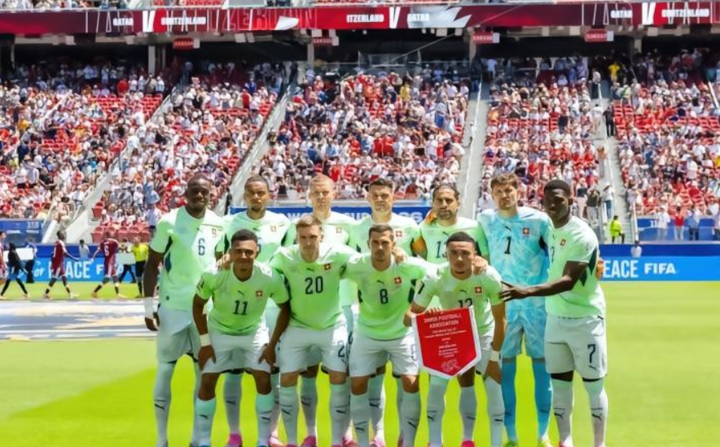
For Bosnia and Herzegovina, their tactical core is Dzeko. The 40-year-old veteran remains the team’s spiritual leader and attacking focal point, but he did not appear in the opening match. Reports suggest that Dzeko has recovered well, and if he can play against Switzerland, Bosnia and Herzegovina will have a sufficient front-line target to launch attacks. Head coach Barbarez knows his team’s position very clearly. Against Switzerland, they must do what they did against Canada in the first round: defend solidly and look for chances through set pieces or quick counterattacks. Bosnia and Herzegovina were eliminated with regret in the group stage of the 2014 World Cup, and this time they are determined to rewrite history. Their opening-round draw against Canada has given them enormous confidence.
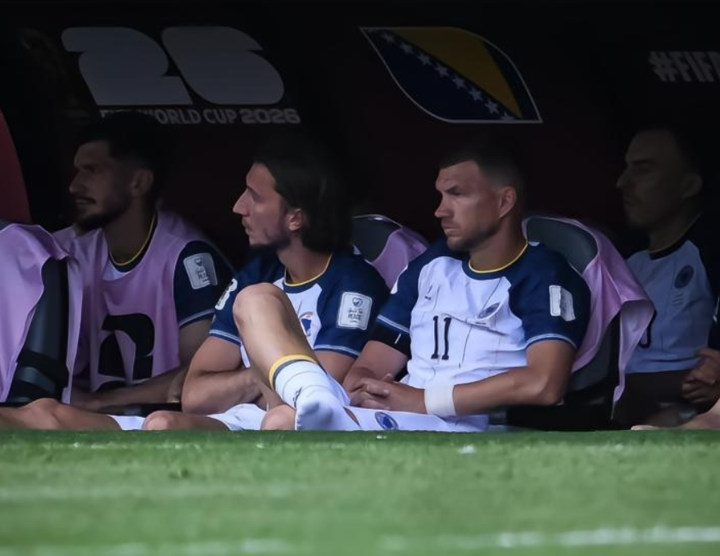
In terms of key players, Xhaka is Switzerland’s metronome. His long passing, distribution, and shooting from distance will determine whether Switzerland can break down Bosnia and Herzegovina’s compact defense. Embolo, meanwhile, needs to prove he deserves the starting center-forward role. For Bosnia and Herzegovina, if Dzeko cannot play, then Demirovic and Lukic must shoulder more attacking responsibility. All four teams in Group B are currently level on points; whoever wins will take top spot, instantly clarifying the qualification picture, while the loser may drop to the bottom of the group and face a last-match fight with no way back. For Switzerland, three points are the only objective. For Bosnia and Herzegovina, a draw would not be unacceptable.
Match Information
Match time: June 18, 12:00 local time
Venue: Los Angeles Stadium, United States
Referee: Joao Pinheiro, Portugal
Canada vs Qatar: This Edition’s Host Hopes to Beat the Previous Host
Both teams earned the first World Cup point in their respective histories in the opening round. Canada finally broke through against Bosnia and Herzegovina, holding more than 60% possession and taking 13 shots. Although they ultimately earned only one point, the team’s aggression and home-field momentum left a deep impression. However, key player Alphonso Davies missed the opening round, and whether he can return this time remains uncertain. Qatar, facing European powerhouse Switzerland, were pinned in their own half for almost the entire match, yet grabbed an own goal in stoppage time to snatch one point from the Swiss. This was also Qatar’s first ever World Cup point. As host in the previous edition, they lost all three matches and were called the “weakest host,” but now they have achieved redemption on North American soil. These two “historic teams” meet in the second round, with the winner very likely to lock up a qualification spot, while the loser may fall back into the abyss.
First, Canada. Their footballing progress is plain to see. The team’s young players have established themselves in Europe’s major leagues. Jonathan David has performed well at Lille and Juventus, while Buchanan is Villarreal’s flying winger. Canada’s problems lie in midfield toughness and defensive concentration. In the opening round, they conceded first to Bosnia and Herzegovina from a corner, exposing marking flaws in their set-piece defense. Qatar, meanwhile, excel at creating chaos around the edge of the penalty area through intricate short-passing combinations. More worrying still, Alphonso Davies’ physical condition remains unclear. If he cannot play at 100%, Canada’s left-sided attack will be greatly weakened. Head coach Marsch must make a decision: start Davies and gamble on his recovery, or keep him on the bench as a late option?
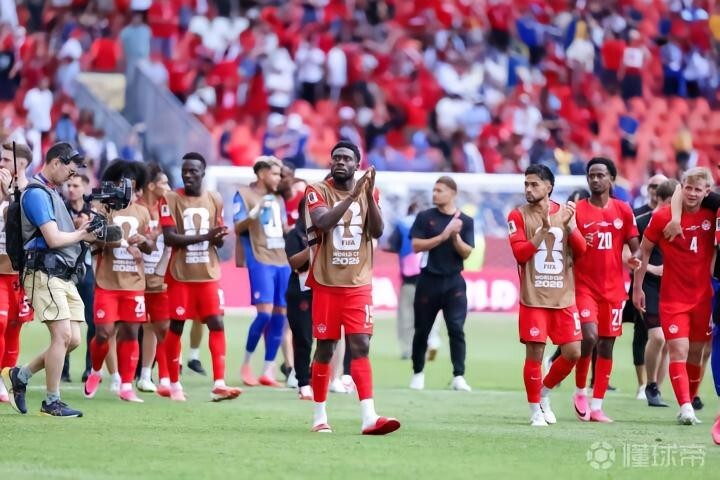
Now Qatar. Although this team has no marquee stars, they have extremely strong cohesion. Head coach Lopetegui has retained the core of the squad that won the Asian Cup. The attacking line of Ali, Afif, and Al-Haydos is skilled at forming triangles in local areas and using quick one-touch passing to tear open opposing defenses. In addition, Qatar’s stoppage-time equalizer in the opening round came from a corner scramble, while Canada had just suffered from set pieces in their own opener. This will be a weakness Qatar can exploit. Although Qatar are an Asian team, they have shown no obvious discomfort playing in North America. After the last World Cup, they participated in many warm-up matches and accumulated rich experience under pressure.
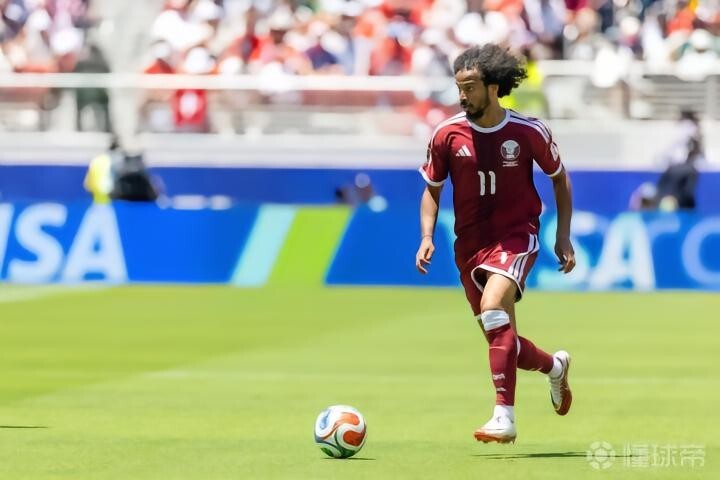
The two teams have met only once in history, in a friendly in September 2022, when Canada won 2-0. But Qatar at that time had not yet undergone the tempering of the World Cup; now, they have transformed completely. Canada’s Jonathan David was active in the opening round but failed to score, and he needs to show his killer instinct at critical moments. Qatar forward Almoez Ali’s off-ball movement and ability to attack scoring positions are things Canada’s defenders must mark tightly. For Canada, the home atmosphere is a huge boost. Vancouver’s fans will create a thunderous noise, but whether they can withstand the psychological burden of “must win” will be the key factor determining the direction of the match.
Match Information
Match time: June 18, 15:00 local time
Venue: BC Place Stadium, Vancouver, Canada
Referee: Cristian Garay, Chile
Mexico vs South Korea: Battle for the Top of Group A — Who Will Prevail?
This is the top-of-the-table clash in Group A for this round. Mexico and South Korea both won their opening matches and sit on three points, with Mexico temporarily first thanks to goal difference. Mexico eased past South Africa 2-0, but captain Cesar Montes was sent off late in the match for a reckless tackle and will be automatically suspended for this game. This development forces Mexico to reorganize their defense, and head coach Aguirre must choose someone else to fill the right-center-back vacancy. South Korea, meanwhile, completed a comeback on another pitch, eventually beating the Czech Republic 2-1 and claiming the first victory for an Asian team at this World Cup. In the last four meetings between South Korea and Mexico, South Korea have one draw and three losses, with Mexico holding the upper hand. Now the two teams meet again on the World Cup stage. South Korea arrive with a desire for revenge, while Mexico hope to lock up top spot in the group early and secure a better knockout-stage matchup.
Mexico’s opening performance could be called perfect — at least before the red card. Quinones broke the deadlock, and Jimenez strengthened the lead with a header. But the red card exposed hidden dangers in Mexico’s defense. Cesar Montes is not only the last man in the back line, but also one of the initiators of transitions from defense to attack. His absence means Mexico’s right-sided defense will face a serious test. South Korea’s attack happens to concentrate on the left, with Son Heung-min often cutting inside from the left to shoot, while Lee Kang-in also frequently drifts into the left half-space to create danger. In addition, South Korea are good at using quick transitions to attack the space behind. If Mexico fail to break through despite prolonged pressure, the threat of South Korean counterattacks will multiply. Mexico reached the knockout stage in six consecutive World Cups since 1998, though they exited in the group stage in 2022. That consistency is their source of confidence. But if they lose to South Korea, they will still have a chance to qualify, yet will hand over top spot in the group and may encounter a stronger opponent earlier in the knockout rounds.
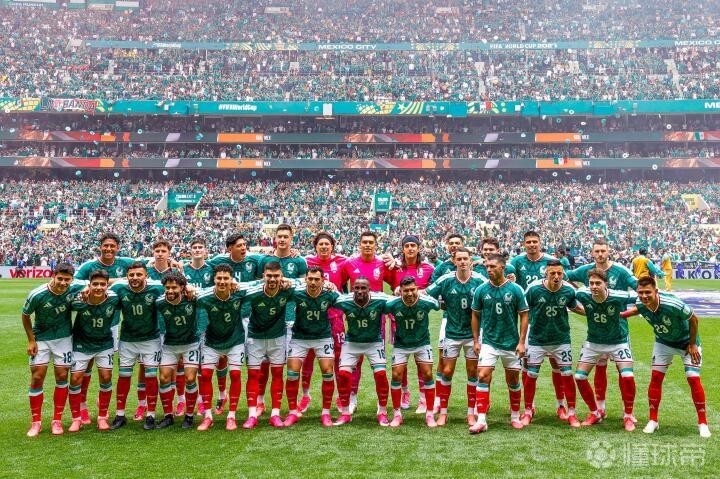
South Korea’s opening comeback showed their resilience and tactical execution. Head coach Hong Myung-bo decisively brought on Oh Hyeon-gyu in the second half, using his speed and impact to attack the Czech Republic’s tired back line, ultimately producing a brilliant result. Hwang In-beom’s long-range shooting is a weapon against packed defenses, while Lee Kang-in’s dribbling and passing vision give South Korea more variation in positional attacks. Although Son Heung-min did not score in the opening round, he attracted multiple defenders and created plenty of space for his teammates. Against Mexico, South Korea must remain highly focused from the start, especially when defending set pieces. Facing an aerial force like Jimenez, South Korean defenders must use physical duels and cover defense to make up for weaknesses. In addition, South Korea may have an advantage in physical reserves. They pushed hard in the second half of the opening round, while Mexico, despite playing with an extra man in their first match, still expended plenty of energy. Combined with the psychological disruption caused by Cesar Montes’ red card, if South Korea can drag the match into a stalemate after the 70th minute, their bench options — such as Oh Hyeon-gyu and Hwang Hee-chan — may once again become surprise weapons.
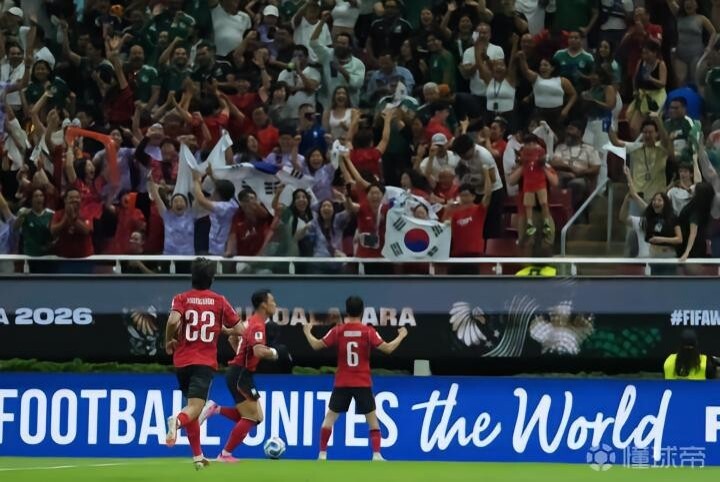
In the last four meetings between Mexico and South Korea, Mexico have remained unbeaten with three wins and one draw. Their most recent meeting was a friendly in September 2025, when Mexico and South Korea drew 2-2. In terms of key players, Raul Jimenez is in hot form after scoring in the opening round. His hold-up play and nose for goal are Mexico’s biggest guarantee of scoring. South Korea’s Son Heung-min was quiet in the opening round, but his season performances in Major League Soccer prove that he is always a big-game player. In addition, Mexico’s Quinones was outstanding in the first round, and his breakthroughs and crosses will be important weapons for tearing open South Korea’s defense. South Korea’s Lee Kang-in, meanwhile, needs to show his delicate technique under pressure and share the burden of attacking organization with Son Heung-min. The qualification picture in Group A is very clear: the winner of this match will move to six points, basically lock up first place in the group, and most likely advance early to the knockout stage. The loser will still have a strong chance to qualify, since the Czech Republic and South Africa are weaker, but finishing second may mean facing a stronger opponent in the knockout rounds. The fans in Guadalajara are already ready to create a devilish home atmosphere, while the fire of revenge in the hearts of the South Korean players will be fully ignited the moment the whistle blows.
Match Information
Match time: June 18, 19:00 local time
Venue: Guadalajara Stadium, Mexico
Referee: Gustavo Tejera, Uruguay
 Bosnien-Herzegowina
 Kanada
 Tschechische Republik
 Südkorea
 Mexiko
 Katar
Katar
 Südafrika
 Schweiz
Alle Kommentare (2)