ESPN has reported that this summer, Manchester United is simultaneously rebuilding the team's future while trying to avoid past mistakes. Numerous missteps in the transfer market have largely shaped the club's approach during this summer window. The main objective is to drive squad regeneration without repeating past errors that have hampered the team.
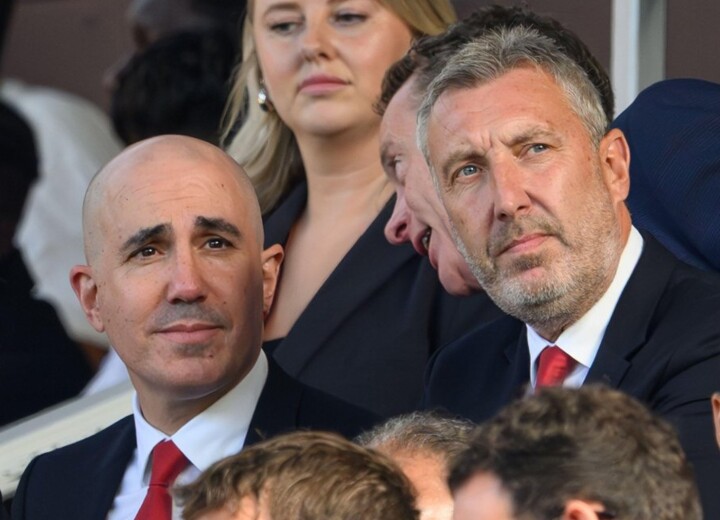
Some fans might argue that in an environment where multiple elite clubs spend over £100 million on a single transfer, Manchester United's reluctance to spend heavily signals a lack of ambition. However, CEO Omar Berrada and Football Director Jason Wilcox argue that given past lessons, a degree of caution is necessary.
Why is this happening? Compared to most clubs, Manchester United finds it far more difficult to offload failed signings.
Ugarte is a prime example. The Uruguayan midfielder joined Old Trafford for over £50 million in 2024, had two mediocre seasons, and was put up for sale this summer. The club knows that to recover the investment, they need an offer of at least £20 million, but given his recent performance and wage demands, achieving this seems unlikely.
The best outcome Manchester United can hope for is finding a club willing to cover his full salary during a loan. However, a serious knee injury at the Copa America has ruled out a departure entirely. FIFA's Club Protection Programme will cover Ugarte's salary during his injury layoff.
But the injury merely postpones the problem. Ugarte's contract extends until June 2029, meaning Manchester United will still need to find a solution for him next summer or beyond.
The Ugarte situation could trouble the team for another three years—a scenario Berrada and Wilcox are desperate to avoid.

Midfield Restructuring
After completing the forward line upgrade last year, Manchester United's focus this summer has been strengthening the midfield.
Manchester United secured three Premier League-experienced players—André Santos, Youri Tielemans, and Moisés Caicedo—with a combined investment of £155 million. ESPN sources indicate that compared to market prices, these three deals offer excellent value and manageable risk. The combined cost of three midfield transfers for Elliott Anderson, Sandro Tonali, and Enzo Fernández reached £341 million.
Manchester United was initially interested in Anderson but was only willing to match Nottingham Forest's initial £70 million valuation. The club also pursued Tonali, but given his past betting ban violation, they deemed a significant investment too risky.
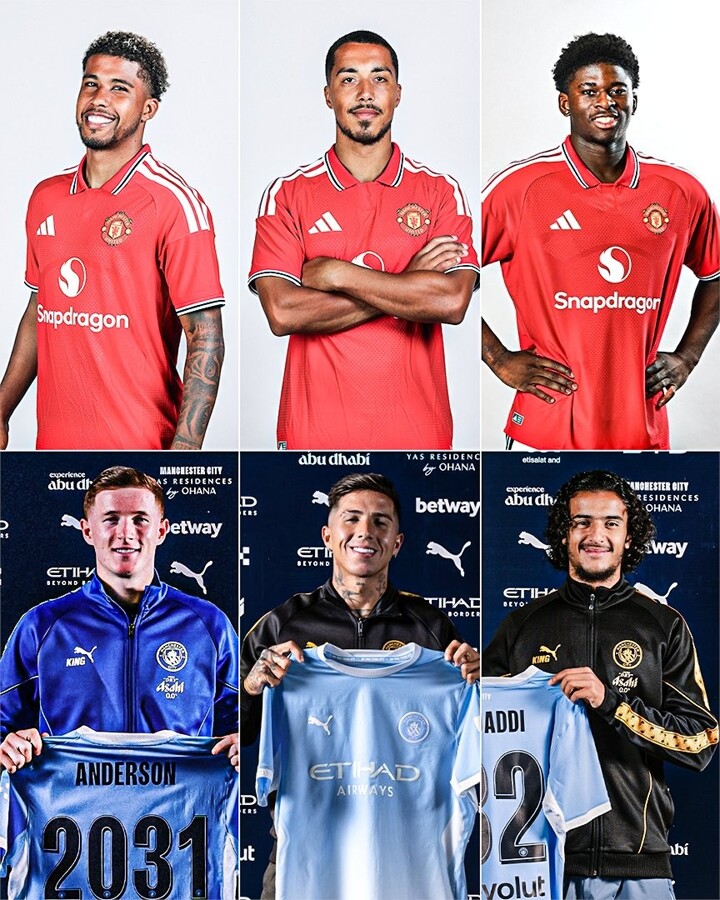
Budget is also a major constraint, particularly because the team struggles to offload surplus players. Manchester City generated nearly £350 million from transfer sales this summer, while Manchester United generated less than £50 million.
Barcelona was originally expected to trigger its loan-to-buy option for Marcus Rashford, and Joshua Zirkzee could also have generated transfer revenue. However, Barcelona opted to sign Anthony Gordon instead to fill the winger role. Manchester United's negotiations with several clubs over Zirkzee's transfer fell through, with new interest only emerging late on deadline day—too late to complete a deal.
The club's financial situation means they cannot spend £300-400 million in a single transfer window. Manchester United could have matched Tottenham's £85 million offer for Matheus Fernandes, who was originally a key midfield target. However, the club ultimately decided against it, partly because Fernandes never expressed a strong desire to join Old Trafford during negotiations—a clear red flag.
Berrada and Wilcox highly value a player's genuine enthusiasm to join the club, as demonstrated by successes like Matheus Cunha and Bryan Mbeumo. Last summer they successfully acquired their preferred targets; this year, they need to adapt their plans flexibly.
After the Ederson deal fell through due to medical issues, Manchester United accelerated negotiations with Chelsea for Santos. After abandoning the pursuit of Fernandes, the team quickly activated Tielemans' £35 million release clause.
After signing Tielemans, the club pursued Lewis-Skelly. After confirming the player would remain at Arsenal, Manchester United shifted focus to Caicedo. Brighton initially demanded £120 million, which was eventually negotiated down to £70 million.
The transfer process encountered other obstacles as well.
Manchester United continues to monitor Ismaël Sarr, and data analysis shows his last season's performance rivaled that of Fernandes during his West Ham spell. However, there is now a trend where agents prefer sending their players to mid-table Premier League clubs. Players can secure consistent playing time and then move to the "big six" later for higher transfer fees and wages.
Caicedo followed this path, moving to Chelsea for £115 million after a full season at a mid-table club. Sarr and his team opted to move to another mid-table club for approximately £40 million this summer. If he performs well this season, his transfer value and salary expectations will increase significantly by 2027.
No Need to Be "Transfer Window Winners"
ESPN sources indicate that Manchester United's top priority for next summer is overhauling the defense.
Berrada and Wilcox are satisfied with last year's signings of Cunha, Mbeumo, Sesko, and Lisandro Martínez. The absence of major errors in the previous summer window allowed the team to prioritize midfield reinforcements as planned. If this summer window also avoids mistakes, the club can free up funds to sign centre-backs and full-backs before the 2027-28 season.
Internally, the club refers to this approach as "building foundations"—gradually refining the squad without repeatedly cleaning up unnecessary messes.
Sources say Manchester United is aware the transfer market closed on Tuesday, and the team still hasn't addressed the left-back shortage. David Raum was told he could leave all summer, and Manchester United had the opportunity to sign the 28-year-old for around £30 million, which would have required a four or five-year contract. However, the club believed this signing would disrupt their next phase of transfer planning and therefore abandoned it.
Lewis Hall was the primary target for the left-back position, but Newcastle United refused to negotiate, so the deal had to be postponed until next year. If Hall had been prioritized this summer, there would have been no budget for Caicedo.
Manchester United also considered short-term solutions to fill positional gaps. In the final week of the transfer market, agents proactively offered Rayan Aït-Nouri to Manchester United; on deadline day, Manchester City made clear that any deal must include a mandatory buy clause. Upon learning of the long-term transfer obligation, Manchester United withdrew from negotiations.
The club understands the current situation is not perfect, but their goal is not to "win" a single transfer window, but rather to build the conditions to successfully acquire their desired targets next summer. Manchester United hopes this long-term strategy will eventually pay dividends.
Traducido por IA.
¡El sitio web de AF ya está disponible! Consulta noticias, comentarios, detalles de partidos y estadísticas en tu ordenador. Visita: www.allfootballapp.com
 Arsenal
 Manchester United
 Newcastle United
 Brentford
 Manuel Ugarte
 Lewis Hall
 Mamadou Sangaré
 Myles Lewis-Skelly
Todos los comentarios