According to Gazzetta dello Sport, Juventus and Milan invested nearly €1 billion over the past three years, but neither achieved their rebuilding goals. Both teams invested nearly €300 million in the summer transfer market alone, yet still failed to achieve ideal results.
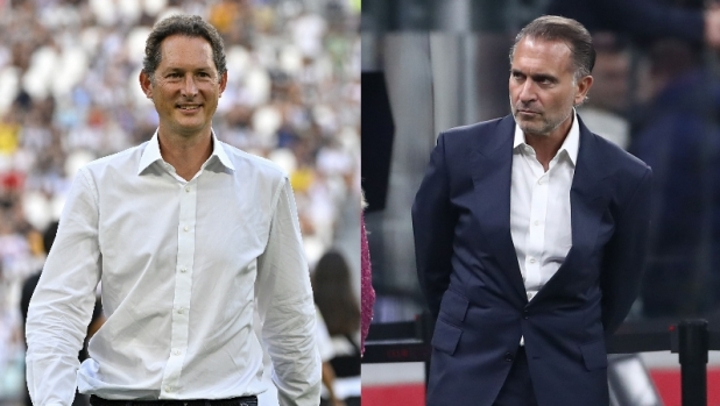
Juventus and Milan invested a combined €918.85 million in the transfer market over three seasons, acquiring 27 and 24 players respectively. Ultimately, both teams won the Italian Super Cup just once. The two clubs face off tomorrow evening at the Allianz Stadium, Juventus's home ground. Over the past three years, player transfers between both clubs have involved approximately 100 players, yet their performance has actually deteriorated. Combined, the two teams have recorded over €400 million in losses, with Milan posting €153.75 million and Juventus €278.3 million in losses.
John Elkann and Cardinale chose different transfer strategies to revitalize their respective clubs. Elkann has consistently been generous with large investments, while Cardinale, prior to the most recent summer transfer market, consistently attempted to reduce losses through player sales and achieve a degree of self-sufficiency.
Since 2024, Gonçalo Ramos's €74 million transfer has been the highest single expenditure for both clubs. The next two most expensive signings were both by Juventus: €51.3 million for Kenan Yildiz and €50 million for Douglas Luiz. Milan also succeeded in player sales; for example, Reijnders transferred to Manchester City for €55 million and Leny Yoro to Galatasaray for €43 million, offloading many surplus players during Tare's tenure. Meanwhile, Juventus has sacrificed the future, with most recent revenue coming from sales of youth academy products, exemplified by Soulé, Huijsen, and Savona. Similar to previous summer windows, most of Juventus's surplus players this summer remained on loan, which could create future problems.
The difficulties facing Juventus and Milan are also linked to frequent changes in transfer department leadership. Juventus restructured its technical department three consecutive times, transitioning from Giuntoli to Gianluca Nani, with Commoli's tenure in between. Milan first delegated full authority to CEO Furlani, then hired traditional sporting director Tare, and ultimately established an American-style collective decision-making system. Different managers brought different, sometimes conflicting strategies.
For Juventus, Giuntoli's rebuilding cost €249.5 million, and Commoli invested €112.5 million attempting to strengthen the squad, but with few new signings, results were poor. Subsequently, Gianluca Nani and Massara significantly restructured the team with nine new signings in the most recent summer window. Milan acquired many players in the first two transfer markets but had no single investment exceeding €37 million. Cardinale then changed strategy, acquiring only three genuinely strengthening players while investing approximately €150 million. Which approach proves more correct will become clear at the end of this season. For Juventus and Milan, now is the time to become kings again—not just in the transfer market, but on the pitch.
AI翻訳。
AFのPCサイトが新登場!パソコンでニュース、コメント、試合詳細、詳細データをご覧いただけます。アクセス:www.allfootballapp.com
 ミラン
ミラン
 ユヴェントス
すべてのコメント