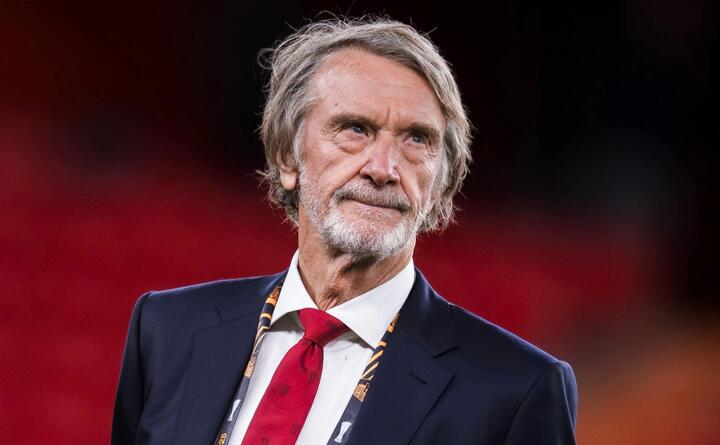
According to The Telegraph, Manchester United will play their first Champions League match in three seasons on Thursday night, which will also be their first appearance in the competition since Sir Jim Ratcliffe acquired a stake in the club. For a club aiming to compete for the Premier League title and planning to build a new £2 billion stadium, consistent Champions League participation is no longer merely a sporting objective but also a significant financial necessity.
Over the last 13 seasons, Manchester United has qualified for the Champions League only 8 times. Thursday's match against Azerbaijani side Qarabag will be United's 55th Champions League game since Sir Alex Ferguson's retirement in 2013.
In contrast, Manchester City will play their 134th Champions League match since Ferguson's retirement when they face Porto on Tuesday, and this is their 16th consecutive season in the competition.
The gap between Manchester's two clubs is even starker in revenue terms. Data shows that over the 10-year period from 2016 to 2025, Manchester City earned £343 million more in broadcasting fees and prize money from European competitions than Manchester United. This difference roughly equals the cumulative interest payments Manchester United makes annually on the remaining debt from the Glazer family's 2005 takeover.
The importance of the Champions League extends beyond revenue. Sustained, long-term participation in the Champions League typically indicates a club has greater sporting stability and operational efficiency, and signals the team is not wasting enormous sums on costly transfer mistakes year after year. Continued Champions League participation also opens doors to lucrative competitions like the Club World Cup.
Manchester United manager Erik ten Hag said ahead of the Qarabag match: "Qualifying for the Champions League is not something to be taken for granted—getting here and staying here requires immense effort."
"We haven't been in the Champions League for a few years, and now we're finally back, so it means a lot to us. This is where we want to be every year, and where we should demand to be. Of course, we can't rush things. This is the standard we must strive for, and whether we achieve it depends on us."
Over the past 13 years, Manchester United has repeatedly cycled between the Champions League, Europa League, and no European qualification at all. Since Ferguson's retirement, United has played three fewer Champions League knockout matches than even Tottenham Hotspur. Meanwhile, the club must also contend with the enormous debt burden left by the Glazer family's takeover.
Since acquiring a minority stake in Manchester United in 2024, Ratcliffe has cut over 400 jobs and significantly reduced costs, hoping to reduce losses and improve the club's financial position.
In June this year, Manchester United added £92 million in long-term debt (approximately $125 million USD) after refinancing $425 million in debt due the following year.
The new $550 million facility carries an increased interest rate of 5.36%, which could mean an additional annual interest expense of approximately £10 million for Manchester United.
By the end of May this year, before the most recent £155 million summer transfer spending, Manchester United had already drawn £150 million from its revolving credit facility. Meanwhile, the club's net transfer debt reached £360 million, with over £200 million due within the next 12 months.
Commercial revenue development remains crucial for Manchester United to increase income. In the past five weeks, the club announced a training kit sponsorship deal with Betway worth approximately £20 million per year and a multimillion-pound shirt sleeve sponsorship with fintech company SumUp.
However, if Manchester United fails to maintain consistent Champions League participation, the value of these new commercial deals will also diminish. Missing the Champions League means losing prize money and broadcasting revenue, and could trigger relevant financial deduction clauses in sponsorship contracts such as with Adidas.
Meanwhile, Manchester United is advancing a major new stadium project. This summer, the club acquired 25 acres of land approximately 350 metres northwest of the current Old Trafford stadium, which is seen as a "major milestone" in the plan to build a new stadium and surrounding complex.
Manchester United aims to have the new stadium operational by the 2030/31 season, with the entire project estimated at approximately £2 billion.
With the need to simultaneously service existing debt, fund rising transfer costs, and finance the new stadium project, if Manchester United continues to frequently miss out on the Champions League, it will be difficult for the club to financially support all these objectives at once.
Consistent Champions League participation cannot solve all of United's current problems, but if the club wants to compete for major trophies again and turn the £2 billion new stadium plan from renderings into reality, then the sustained revenue generated by Champions League football is increasingly becoming a necessity.
Traduzido por IA.
O site do AF já está online! Acesse notícias completas, comentários, detalhes de partidas e estatísticas no seu computador. Acesse: www.allfootballapp.com
 マンチェスター・ユナイテッド
 Sabah
Sabah
 ジム・ラトクリフ
すべてのコメント