When discussing Japanese football's culture of reflection, many people immediately think of that masterpiece, "The 14 Seconds of Rostov."
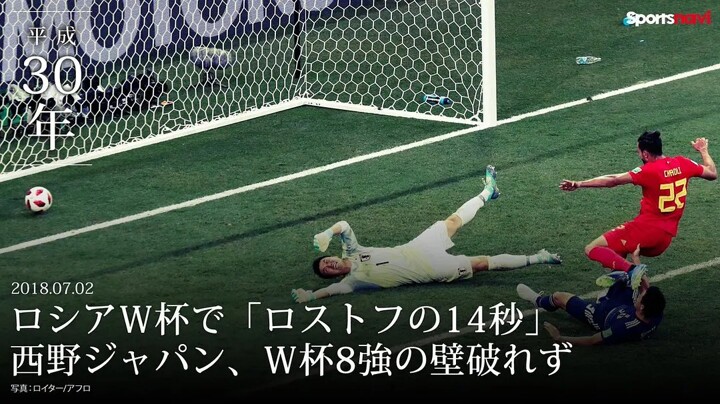
"The 14 Seconds of Rostov" is a documentary produced by Japan's NHK in 2018. In the Round of 16 of the 2018 FIFA World Cup in Russia, Japan and Belgium were tied 2-2. During injury time, Japan's corner attack failed, and Belgium launched a quick counterattack to score the winning goal. The entire sequence lasted just 14 seconds.
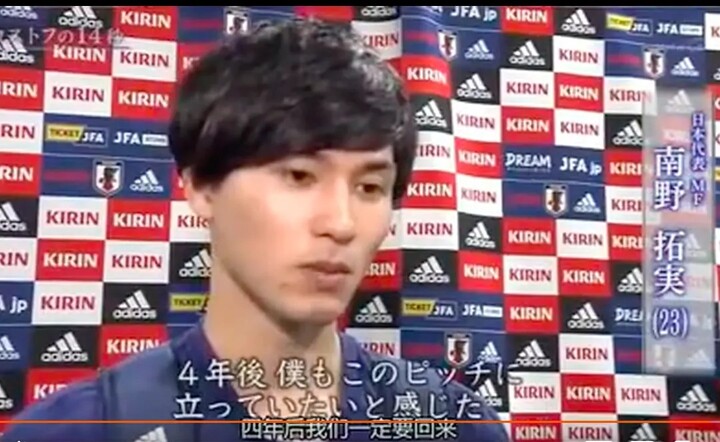
The 50-minute film meticulously dissects every player movement and tactical decision made by both teams during those 14 seconds, analyzed repeatedly frame by frame. NHK compiled footage from all 28 stadium cameras, isolated the 14 seconds in which Belgium scored the winning goal against Japan, and examined it in detail. Beyond analyzing Japan's players, NHK interviewed Belgian players and coaches to reconstruct the tactical logic of those 14 seconds from both offensive and defensive perspectives, seeking to understand how Japan lost.
NHK's documentaries on Japanese football extend far beyond "The 14 Seconds of Rostov."
Around 2010, NHK produced a documentary series titled "50 Years of Japanese Football," divided into four seasons with more than 30 episodes total. Each episode focuses on a pivotal moment, spanning from the late Showa era through the Heisei era—from the "football desert" of the 1960s through the founding of the J.League in 1993, and on to Japan's first FIFA World Cup qualification in 1998. The series chronicles half a century of Japanese football's journey from dormancy to awakening. To produce this series, NHK interviewed key figures in Japanese football such as Saburo Kawabuchi, Takeshi Okada, and Hidetoshi Nakata, and compiled numerous valuable historical materials spanning 50 years. It stands as the definitive resource for understanding modern Japanese football history.
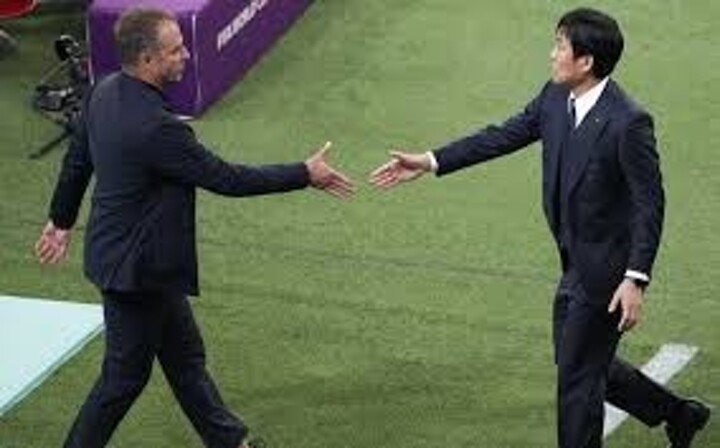
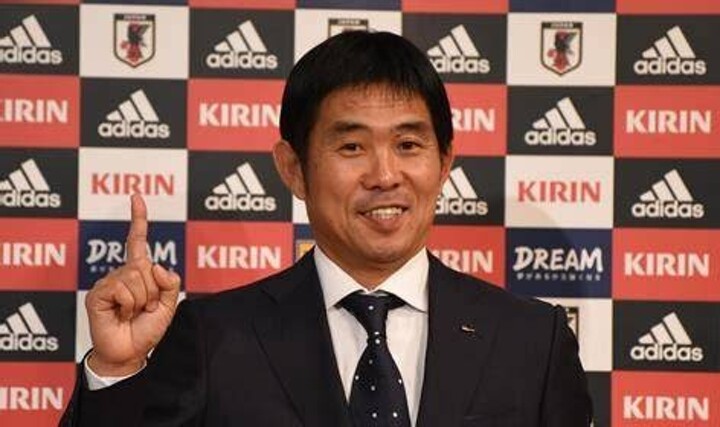
NHK has also produced numerous works focused on individuals. "The Day We Dreamed of Reaching the World" is a documentary about Japan's manager Hajime Moriyasu, released after the 2022 FIFA World Cup in Qatar. Using Moriyasu's goal of "taking the team to the World Cup quarterfinals" as its narrative core, the film comprehensively documents his journey from becoming national team manager in 2018 through leading Japan to stunning victories against Germany and Spain at the Qatar World Cup, both on and off the pitch. The film interweaves extensive footage from training sessions, locker rooms, and pre-match preparation meetings. In 1993, Japan drew with Iraq in Doha and missed their first World Cup final qualification—the "Tragedy of Doha"—and Moriyasu was directly involved in that moment. This documentary captures how, 29 years later, he personally turned that page of regret on the same ground.
J.League Clubs' Reflective Archives
While the national team's stories are documented, clubs maintain their own visual records. J.League clubs are equally passionate about chronicling their football history through film.
In the 2020 season, Shonan Bellmare, following a major squad overhaul, struggled after the pandemic-induced resumption, battling relegation throughout the season. During this difficult period, a documentary shot from an internal club perspective quietly followed every training session and match. The film authentically captures never-before-seen locker room footage: coaches' post-match critiques, players' silence, and discussions and reconciliations following defeats, allowing outsiders to witness firsthand how this J.League team fought and coped with failure under adversity.
As one of the J.League's most prestigious clubs with a strong supporter culture, Urawa Red Diamonds' official broadcast produces an annual season review video titled "We are Diamonds," named after the beloved supporters' chant known to all Japanese football fans. Unlike Shonan Bellmare's internal documentary, this film functions more like an "annual report" for supporters: from highlights of the season's classic matches to exclusive post-season player interviews and the enormous TIFO created by fans in the stands, it condenses an entire year of glory and emotion into a visual record.

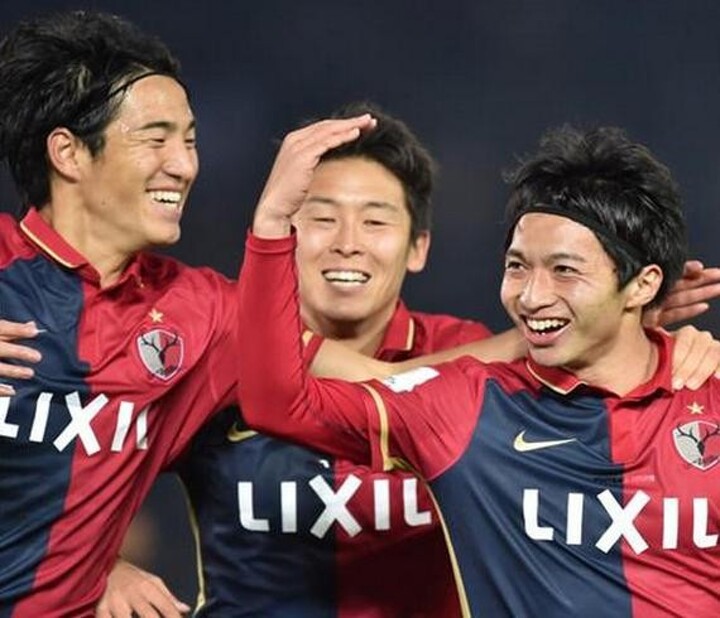
Kashima Antlers went even further. As early as 2000, the club released "Antlers History 90's FOOT." The 182-minute DVD comprehensively documented the team's glorious trajectory throughout the 1990s. The film includes not only all 514 goals from official J.League matches but also oral histories from former players about each season. More than two decades later, in 2026, Kashima Antlers released the extended documentary series "FOOTBALL DREAM: The Glory and Pain of Kashima Antlers," comprising 8 episodes with over 7 hours of main content plus 60 minutes of previously unreleased footage. From Zico's hat-trick in the J.League's opening match to behind-the-scenes footage before and after Atsuto Uchida's retirement, everything is included.
Autobiography as Methodology
Japanese teams love making documentaries, and Japanese players love writing books. If club documentaries record "what happened to the team," then players' autobiographies answer "what the players themselves are thinking."
Japanese defender Ko Itakura published an autobiography titled "I'll Do It My Way". Readers describe the book as a "calm and honest growth record, without excessive passion." Itakura details his most "degenerate" period: during his time in Kawasaki Frontale's youth academy, he once had no desire to play football. He deliberately arrived late to training, preferring to eat McDonald's fries with friends rather than go to the training ground, and even told his coach: "I'm sorry, I want to leave Kawasaki Frontale." Later, he had an epiphany, gradually reflected on his past mistakes and adjusted, eventually developing into a key defender for Japan's national team.
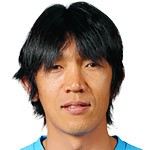
In contrast, veteran Shunsuke Nakamura is more direct. He wrote a book titled "Perception", with the subtitle "Transmitting Experience to Japanese Football." He explains that "perception" involves observing—opponents, teammates, coaches, and one's own condition; "knowledge" means organizing, thinking about, and summarizing the information observed; and "skill" means translating those insights into actions during daily training and matches. Nakamura revealed that he began writing "football notes" in his second year of high school, developing the habit of recording all his thoughts, mistakes, and adjustments from training and matches. He also mentioned being the youngest of four brothers at home and learning from a young age to observe his three older brothers, thinking about how to act so as not to upset them—the initial source of his perceptiveness.
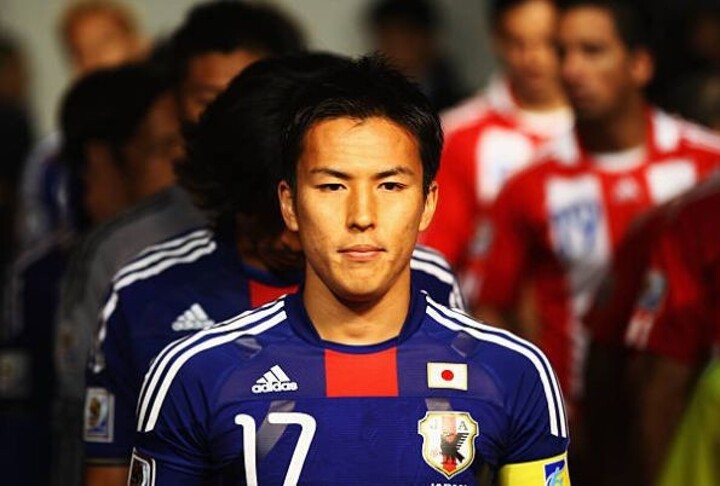
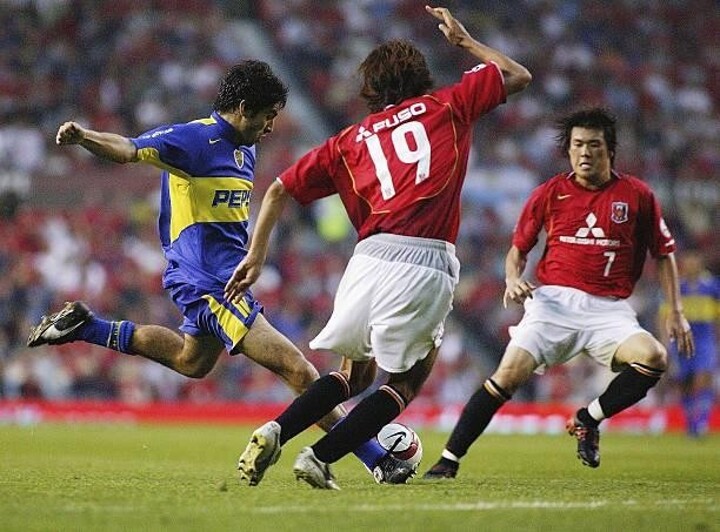
Hasebe, in his autobiography "Organizing My Mind," recalls a 2004 friendly between Urawa Red Diamonds and Boca Juniors. Faced with the fierce pressure of the South American team, the entire Urawa squad seemed helpless and ultimately suffered a crushing 5-2 defeat. He wrote: "If you only wait passively, no one will notice you. Your future must be conquered through your own efforts. I learned this simple truth in this match against Boca, and I felt the gap in mentality between Japanese and Argentine players, which made me—standing on the pitch with a somewhat casual attitude—feel absolute shame."
This truth also applies to Japanese football. From NHK documentaries to club archives to players' autobiographies, Japanese football has never waited idly; instead, every step it has taken has been transformed into educational material for future generations to learn from.
Traduzido por IA.
 อุระวะ เรด ไดมอนด์
 คะชิมะ แอนต์เลอร์
 โชนัน เบลแม
 ญี่ปุ่น
 อาแย็กซ์
 ชุนสุเกะ นากามูระ
 เอ็ม ฮาเซเบะ
 ฮาจิเมะ โมริยาสุ
 โค อิตาคุระ
 FIFA World Cup
ความคิดเห็นทั้งหมด (35)
6-21 22:30