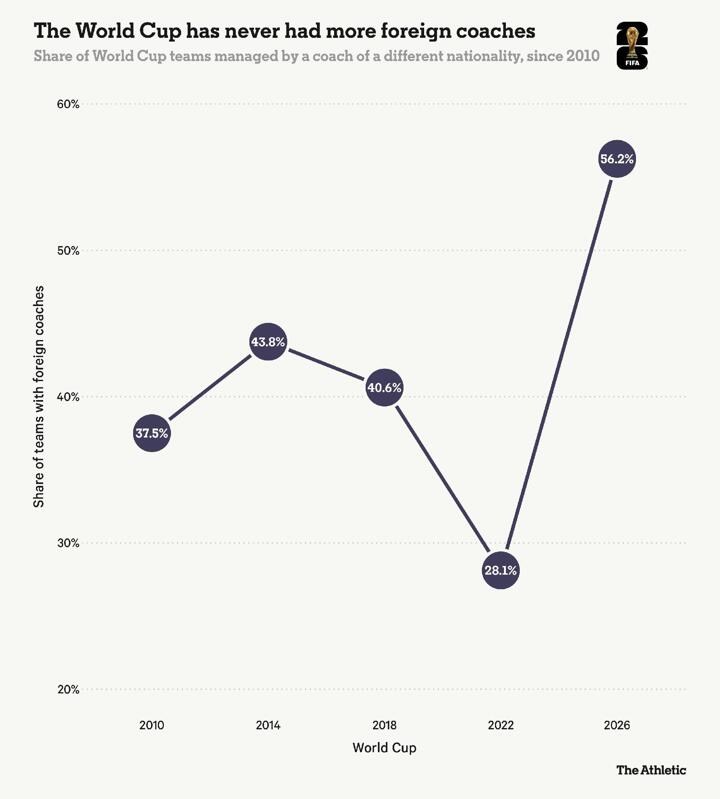
According to The Athletic, there are 28 foreign coaches among the 48 teams in this FIFA World Cup, but no team in FIFA World Cup history has ever won under the guidance of a foreign coach.
This FIFA World Cup, held in North America, has more foreign coaches than any previous one. Among the 48 participating national teams, a total of 28 coaches, including two hired by Tunisia, are classified as foreign and are sitting on the sidelines.
Unlike players, head coaches do not need to have any family ties to the country they are coaching. Therefore, England being coached by a German this summer, the United States by an Argentine, and Canada by an American, while not entirely common, are acceptable situations.
The list is quite extensive, including five Frenchmen, five Argentines, three Spaniards, three Italians, and two Englishmen, along with 10 coaches of other nationalities. The number of Italian coaches reaching three is somewhat embarrassing, as Italy did not qualify for this FIFA World Cup.
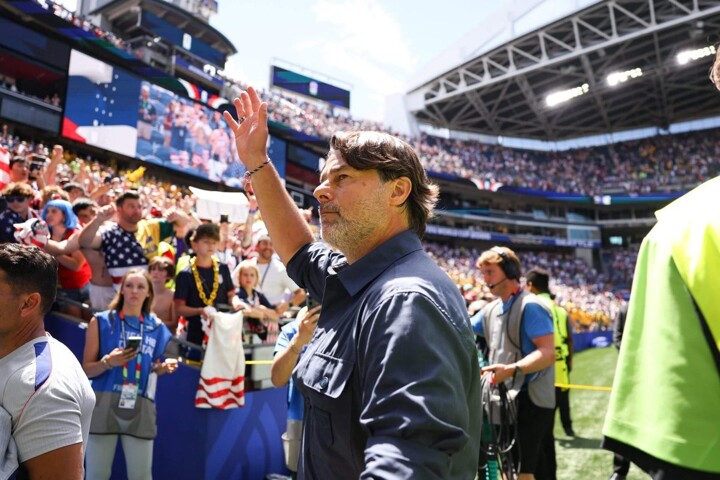
Some notable appointments include Tuchelin coaching England, Pochettino coaching the United States, and Marsch coaching Canada, but perhaps the most significant is Ancelotti. He hopes to lead Brazil to their sixth FIFA World Cup title as the first foreign head coach in Brazil's history.

If Ancelotti's immense success at the club level isn't enough to excite Brazilians, then the sight of the 67-year-old coach juggling with his coaching staff might have already done the trick.
So, what's it like to coach another country's national team?
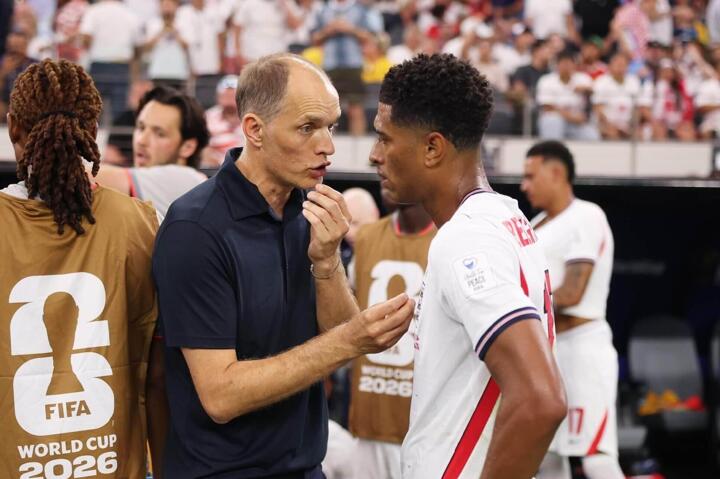
Integrating into the local culture is key. Former Chelsea manager Tuchel lives in London and spends as much time as possible at St. George's Park, the training base in central England, during work. He hasn't reached the point of chugging beer and eating fish and chips by the sea, but he says he would consider singing the national anthem if England goes all the way in this tournament.
When asked about the fact that a foreign coach has never won the FIFA World Cup, Tuchel told reporters: "I feel connected to England and the sports culture here."
Tuchel said, "What makes me happiest is making people proud, and no one wants to do that more than me."
Pochettino is also encouraging a nation to raise its ambitions, insisting that the US men's national team should aim to win the FIFA World Cup on home soil. The 54-year-old coach has worked to change the situation of excessive player power since taking office and hopes to reshape the culture within the US Soccer Federation.
The United States defeated Paraguay 4-1 in their first match of the tournament, and Pochettino, who has coached clubs such as Tottenham Hotspur, Paris Saint-Germain, and Chelsea, celebrated by running along the sideline after the last goal, a scene that reflected the team's spirit and cohesion.
Meanwhile, Marsch is never afraid to inspire those around him. He said he enjoys the responsibility of leading a co-host national team.
The American told reporters last week, "When I first arrived, I had to learn a lot about what it means to be Canadian. I have always tried to create an environment where our differences make us stronger, not weaker. From the moment I entered this team environment, I was deeply impressed by how much the players cared for each other."
Therefore, the barriers seem to have been completely broken down. 56% of the participating countries in this FIFA World Cup are coached by foreign coaches, a significant increase from 28% in the previous tournament in 2022.
But is this now considered the path to success? Among the teams participating this summer that are not making their FIFA World Cup debut, only Germany, Scotland, Croatia, Norway, and the Czech Republic have never been coached by a foreign coach in the FIFA World Cup. So-called traditional powerhouses usually prefer to employ their own coaches, but not absolutely, as exemplified by Brazil's hiring of Ancelotti.
In 1934, Argentina was coached by Italian Felipe Pascucci, who had previously coached the Buenos Aires club River Plate. The great Argentine-French coach Helenio Herrera coached Spain in 1962. England had also tried foreign coaches before, with Swede Sven-Goran Eriksson coaching in the 2002 and 2006 FIFA World Cups, and Italian Fabio Capello coaching in the 2010 FIFA World Cup.
However, in modern football, the trend of employing foreign coaches was previously concentrated in lower-ranked countries, until this tournament saw a change.
The top three teams in the FIFA World Rankings – Argentina, France, and Spain – are all coached by domestic coaches, but among the next seven teams in the top ten, five are now coached by foreign-born individuals: Tuchel for England, Ancelotti for Brazil, Walid Regragui for Morocco, the Spaniard Roberto Martínez for Portugal, and the Frenchman Rudi Garcia for Belgium. Walid Regragui was born in Belgium, but FIFA classifies him as Moroccan.
Roberto Martínez knows this challenge well. When he previously coached Belgium, he couldn't speak French or Flemish, but he could communicate effectively in English. After arriving in Lisbon, he has been learning Portuguese and delving into local history and football traditions to better understand the culture.
Portugal won the Nations League under Roberto Martínez, but they have struggled to go far in the FIFA World Cup since finishing third in 1966. With his contract nearing its end, this might be the former Wigan Athletic and Everton manager's last chance to improve that record.
For a national team centered around Cristiano Ronaldo, only winning the championship is enough. But elsewhere, the measure of success is different.
For countries not in the traditional football elite, appointing foreign head coaches often pays off.
Before this FIFA World Cup, a total of 38 teams achieved their best FIFA World Cup results under foreign coaches, including 12 teams that had only participated in one previous FIFA World Cup.
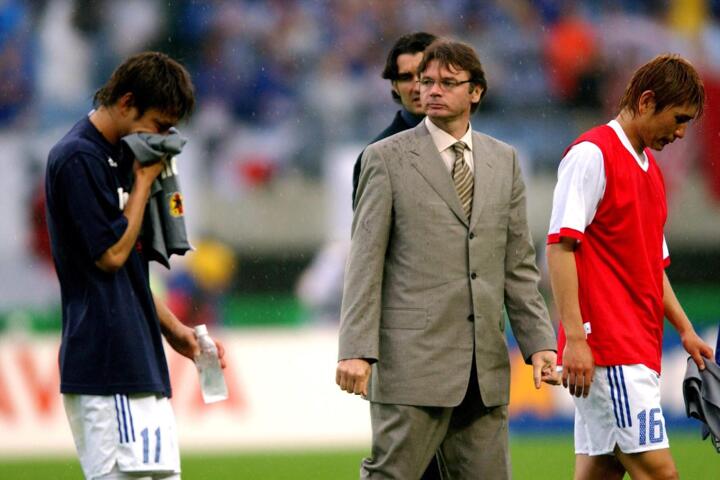
Philippe Troussier, a Frenchman, is one of them. In 2002, he coached co-hosts Japan and helped the team reach the Round of 16.
Troussier reflected on his coaching experience, telling The Athletic: "I was fortunate to have four years to build a team and establish a strong identity. The Japanese have an extraordinary tradition of welcoming visitors with great respect and politeness. From the beginning, I was trusted, which was very important."
Troussier had previously coached South Africa in the 1998 FIFA World Cup and helped Nigeria qualify for that FIFA World Cup held in his home country, so he already had extensive overseas coaching experience. The Japan Football Association provided him with an apartment in central Tokyo, and his family received special care whenever they visited.
Although he also faced challenges, he transformed Japanese football by breaking down formal addressing methods among players, encouraging young players to grow.
In the years leading up to 2002, he organized training camps in Africa to toughen up players and promote personal development, including arranging training sessions to teach players to be less overly respectful of opponents.
Initially, not everyone was convinced.
Troussier recalled: "You only had to see the number of journalists waiting outside my house to understand that I had become a major topic of discussion." He added that he "most remembers the criticism received at the beginning."
He said, "I introduced some quite revolutionary methods, especially in terms of management, leadership, and my direct communication style. This naturally required a different way of behaving from traditional Japanese society. I wanted the players to understand that failure and mistakes are not weaknesses, but essential stages in the learning process that ultimately make individuals stronger."
Four years later, Japan performed exceptionally well in that FIFA World Cup. Japan was eliminated after losing 0-1 to Turkey, who later reached the semifinals, and Troussier left as a hero. Soon after, he almost became the head coach of the French national team.
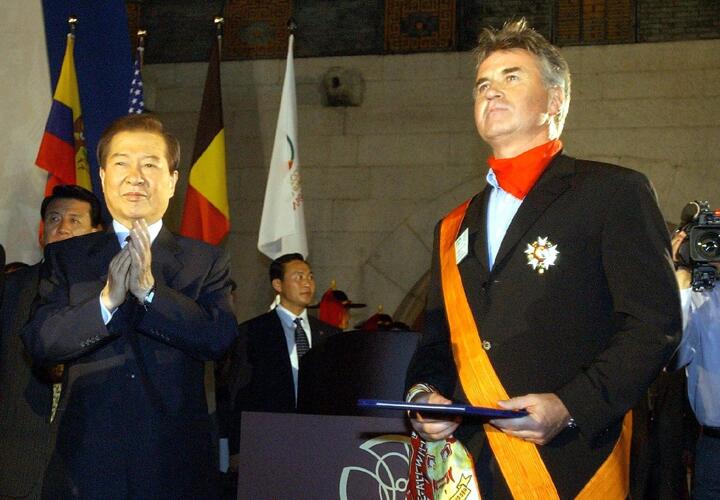
In the same FIFA World Cup, Dutchman Guus Hiddink coached the other co-host, South Korea, and led them to the semifinals, earning legendary status. He thus became the first person to be granted honorary Korean citizenship and was even urged to run for president. He received a villa as a gift and lifetime free tickets on Korean Air.
Apparently, even for some big names in football, the opportunity to coach in the FIFA World Cup still holds immense appeal.
2006 FIFA World Cup winning captain Fabio Cannavaro took over Uzbekistan. After former coach Timur Kapadze led the team to their first ever FIFA World Cup qualification, Kapadze left. The experienced Carlos Queiroz also returned to the spotlight with Ghana, having first coached a senior national team in 1991 for Portugal. Ghana is strong, well-organized, and capable of causing upsets, as England experienced this week.
Funding will still play a significant role in appointments, but workload, living arrangements, and long-term planning are also factors that must be carefully considered.
The US Soccer Federation could only afford Pochettino's record contract with the financial support of hedge fund billionaire Ken Griffin and donor Scott Goodwin. When Canada initially hired Marsch in 2024, part of the funding came from the owners of Canada's three MLS teams: Toronto FC, Vancouver Whitecaps, and CF Montréal.
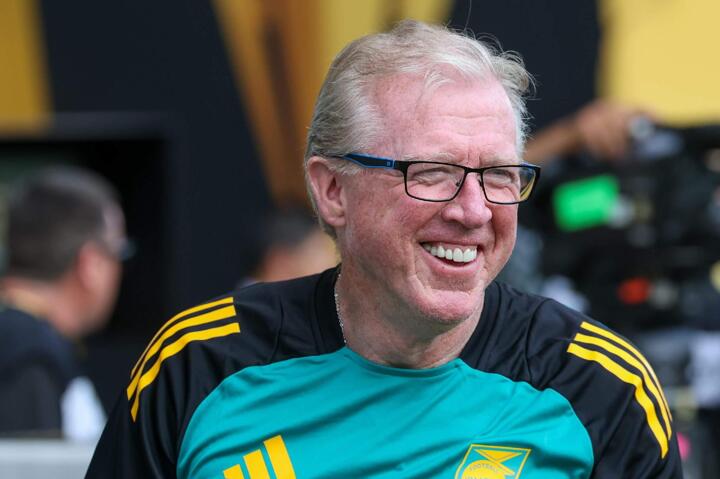
Some countries cannot afford such long-term and lucrative contracts, so many teams often opt for short-term solutions before major tournaments. Jamaica is an example; they had hoped that the experience of Englishman Steve McClaren would be enough to help the team qualify for the FIFA World Cup, but they ultimately lost to Curaçao, coached by Dutch coach Dick Advocaat.
The former England manager used to fly from his home in Yorkshire to the Caribbean a few days before training camps began. But after a long list of problems and an emotional final match last November, he has left.
Problems encountered by foreign coaches usually center on logistics, and sometimes on finances.
As most national team coaches have agents or lawyers review contract terms, details are usually thoroughly discussed in advance, typically including visa arrangements, transportation, basic salary, performance bonuses, living allowances, partial expense reimbursement, and sometimes round-trip flights home several times a year.
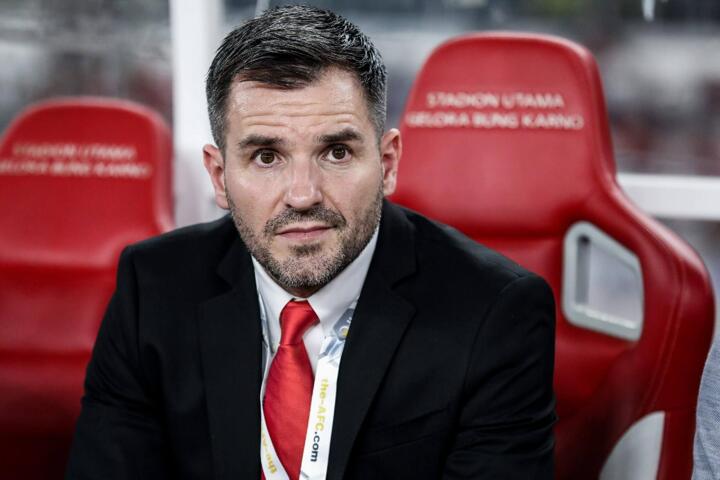
Many coaches have coached national teams that failed to qualify for the FIFA World Cup, but Simon McMenemy's experience becoming the Philippines manager in 2009 is perhaps the most unusual.
After breaking his leg while playing, the then 32-year-old Scot McMenemy was working an office job he hated. He started chatting on social media with a pair of Filipino brothers he had previously coached, who told him the Philippines national team manager position was vacant.
Three weeks after applying, he received a call and was offered the job. So he quit his other part-time job, assistant coach for Worthing, a seventh-tier English team, and flew to Manila without even discussing contract terms.
Upon arrival, he was picked up at the airport and taken directly to the training ground, finally signing the contract a few days later. He told The Athletic: "I remember there was a bonus in the contract, but no specific figure. But it was my first professional contract, and I had no negotiation experience, so I signed it."
The contract end date was eight months later, the last day of the ASEAN Championship. That tournament, then known as the Suzuki Cup, saw the Philippines largely unbacked to even reach the main tournament. However, under McMenemy, the Philippines performed exceptionally, equaling their best historical result, ultimately being eliminated by Indonesia in the semifinals. An estimated 90,000 spectators flocked into the stadium for that match, with another 15,000 gathered outside.
McMenemy said, "I don't think I was ready to deal with the emotions of such a big tournament at the time. I would cry a lot in my hotel room when I went to matches. Even talking about it now, I get choked up because I never thought I would be in that situation, and within four months, I was standing in a national team stadium for a semifinal."
He said, "Being in that stadium really changed my life. The noise inside was incredible. I was completely unknown before, but after that, everyone knew me."
McMenemy later experienced the other side of national team coaching in 2019 as the head coach of Indonesia. He described the difficult FIFA World Cup qualifying group and subsequent results as "an absolute nightmare."
He said, "I pretty much got the Philippines job out of nowhere, so maybe the Indonesia experience balanced everything out. But I still have to pinch myself because I've experienced moments that people can only dream of."
Troussier has since also coached the national teams of Morocco, Qatar, and Vietnam. He believes there are multiple reasons for the increased number of foreign head coaches in this FIFA World Cup, but the biggest advantage is the neutrality that foreign coaches can bring.
Troussier stated: "Ultimately, what matters is not whether the coach is local or foreign, but whether he possesses the ability, experience, and leadership needed to help the national team achieve its goals."
As more countries place their trust in foreign coaches, the coming weeks will reveal whether that trust will be rewarded.
AF's PC site is now live! Browse full news, comments, match details and stats on your computer. Visit: www.allfootballapp.com
 Pochettino
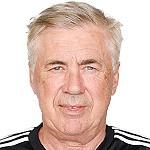 Ancelotti
 Tuchel
 FIFA World Cup
All Comments (16)
Today 21:57
Today 22:15
Today 22:08
Today 22:07
Today 22:04
Today 21:59
Today 21:57
Today 21:57
Today 21:56
Today 21:56
Today 21:56