"This is my last FIFA World Cup, but beyond that, I have time to think slowly and won't make decisions impulsively." These were the words of Ronaldo, hours after Portugal’s 0-1 defeat to Spain in the 2026 FIFA World Cup Round of 16, which saw them eliminated. The former Real Madrid forward, who played 233 matches for the national team and scored 146 goals, is about to embark on a crucial new chapter in his career, while simultaneously bringing the Portuguese national team to a crossroads. This is not unfounded: for nearly two decades, Ronaldo has been more than just a football player; he has become a global icon, an independent brand that commands immense attention wherever he goes. Although his influence on a competitive level remains significant, his current weight in media and commercial spheres far exceeds the realm of football. As his national team career draws to a close, an increasingly pressing question arises: what impact will Ronaldo’s departure have on the Portuguese Football Federation?
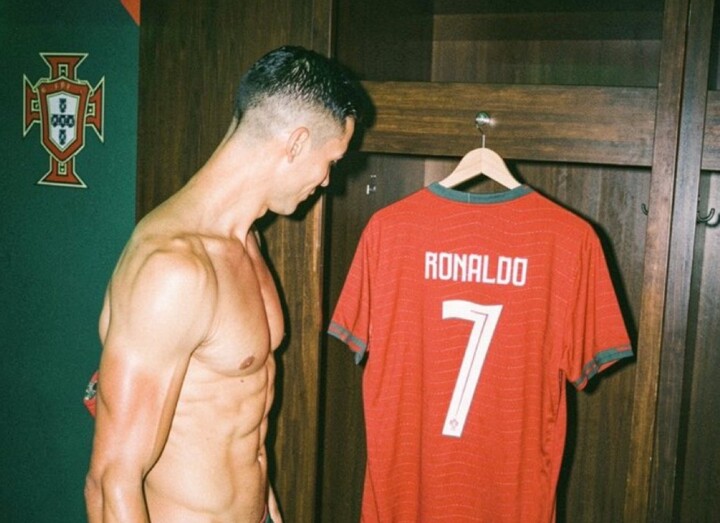
CR7, a brand bigger than the national team?
Addressing this topic, Daniel Sá, Executive Director of the Portuguese Institute of Marketing Management (IPAM), recently gave an unequivocal conclusion in an interview: "This might sound harsh, but from a brand perspective, Ronaldo's importance is unparalleled by the entire Portuguese national team, or even countless other teams combined." He summarized this in an interview with Lusa news agency. Indeed, whenever Portugal competes in international tournaments, media attention naturally largely focuses on Ronaldo: television broadcasts, social platforms, press conferences, and marketing campaigns frequently bring the five-time Ballon d'Or winner to the forefront. For many fans globally, CR7 is even the central reason they follow the Portuguese national team's matches. His image attracts millions of additional viewers, bringing the team international exposure that few national teams can match. Ronaldo has over a billion followers across social platforms, possessing unparalleled media appeal in the world of football. Every appearance he makes becomes a focal point, bringing immense attention to the Portuguese team. His name is virtually a household name in almost every country worldwide, even among those who pay little attention to football. Sponsors are well aware that his image brings immediate global influence, far beyond what any single football association can achieve. For many collaborating companies, associating their brand with Ronaldo is a unique marketing opportunity. Consequently, once this star, who once played for Manchester United and Juventus, departs, the exposure currently enjoyed by the Portuguese Football Federation may significantly decrease, triggering numerous economic ripple effects. The most immediate consequence will be a potential decline in viewership in overseas markets, where matches garnered attention primarily due to the Portuguese captain's participation.
Significant Economic Impact
But the impact doesn't stop there. The interaction volume on content posted by the Portuguese Football Federation on social platforms may also decline—after all, videos, interviews, or posts featuring Ronaldo have consistently been popular content on these platforms for years. The decrease in exposure could also affect commercial negotiations with some partners: sponsors primarily seek media exposure and international influence, and losing one of the world's most recognizable figures could lead to a devaluation of some commercial contracts. While the Portuguese Football Federation remains a well-established institution, it is hard to imagine that the departure of the most iconic player in its history will not affect its revenue. Recognizing the impending arrival of this moment, the Portuguese Football Federation began preparing for the "post-Ronaldo era" years ago. In the strategies already implemented, the current Portuguese Football Federation prefers to bet on the team rather than individual stars, with a new generation of players such as João Neves, Vitinha, Ramos, Mendes, Diogo Costa, and Rafael Leão at the core of this approach. Furthermore, the Portuguese Football Federation urgently needs to reshape its narrative: for the past two decades, the core of every international tournament has revolved around Ronaldo's goals—breaking new records, winning trophies, and extending a legendary career. Now that era is over, and a new narrative identity needs to be built, especially the image of an ambitious team led by new leaders and pursuing new goals. This is a crucial turning point for the Portuguese national team, as it is the only way to maintain public attention, attract international broadcasters, and keep commercial partners interested.
Transition and Narrative Challenges Already Underway
As you've likely understood, in addition to the competitive losses the team will face after its all-time leading scorer retires, the Portuguese team also needs to navigate a transition period: media attention may decline, and the business model will need adjustment. However, the 2016 European Championship winners now possess one of Europe's deepest talent pools, enough to maintain the team's top competitiveness. Therefore, the real challenge is not just on the competitive level, but more so in the economic and marketing spheres. What is the core objective? To transform a team long represented by a single legendary figure into a collective brand strong enough to continue attracting global fans and partners. Yes, the "post-Ronaldo era" undoubtedly marks the end of an era, but it will also open a new chapter for Portuguese football—an opportunity to build a brand identity that can surpass the career of its greatest player and endure for a long time.
AF's PC site is now live! Browse full news, comments, match details and stats on your computer. Visit: www.allfootballapp.com
 Portugal
 Al Nassr FC
 Ronaldo
 FIFA World Cup
All Comments (4)
Today 06:17
Today 05:51
Today 05:13
Today 05:01