
Vice-captain Rice, Palmer, Kobbie Mainoo, Rashford and Livramento have all withdrawn. From any perspective, the withdrawal of several key players from England's squad is not a positive situation for Tuchel. The large number of players choosing to withdraw suggests that the England national team has once again been relegated to a secondary priority. The Telegraph has highlighted that with so many key players withdrawing, it inevitably raises questions about Tuchel's relationship with his squad. Following the heavy defeat to Argentina in the World Cup semi-final, Tuchel faces the difficult task of rebuilding trust with his players. Since taking charge, Tuchel has consistently promoted "brotherhood" within the team, but now supporters will question whether his words ring true.

Tuchel has repeatedly emphasised that he has built a supposed "brotherhood" within the team during his tenure, and now this claim appears somewhat ironic. Is this assessment too harsh? Each player's situation should be considered individually and objectively; it is unfair to lump them all together.
Four Nations League matches are scheduled over the next three weeks. The players' withdrawals have been confirmed by England's medical team, with the official reasons given all being physical injuries, which we must accept.
However, a term frequently used in football now is "load management". The absences of Rice and Palmer are also attributed to this concept. In essence, it involves assessing a player's total workload, predicting and avoiding the risk of injury from overuse.
Palmer had a rest over the summer, but Chelsea's reasoning is that his early season schedule has been too intense, and the club does not want him to suffer an injury.
This logic seems reasonable. However, Palmer urgently needs to prove his worth and secure his place in the England squad, yet he will miss four matches. This decision seems somewhat excessive.
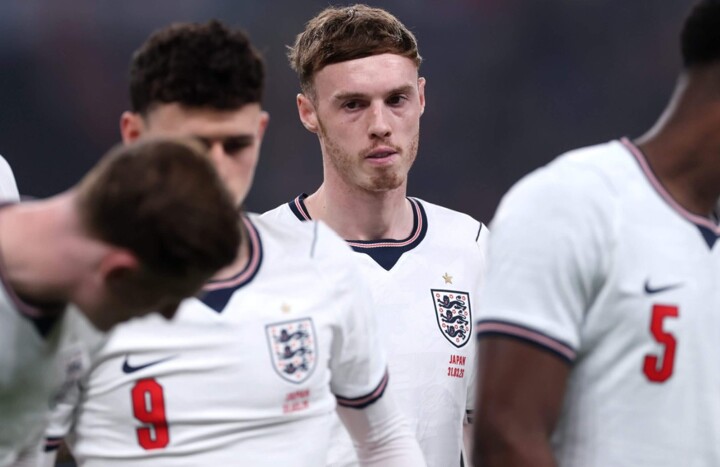
"Load management" will be mentioned increasingly this season as players contend with the physical toll of an unprecedented congested fixture schedule.
This issue also strikes at the heart of a growing conflict: the escalating tensions between England's coaching staff and the medical departments of various clubs. We witnessed this conflict come to a head last season with Enzo Maresca's departure from Chelsea.
Tuchel must be deeply frustrated, perhaps even embarrassed. Did the load management issue suddenly emerge only after the last Premier League round? Or was it already known that some players needed rest all along? Was the communication between the FA and the clubs adequate?
It is difficult for outsiders not to speculate: if the Premier League were being played this weekend instead of England matches, these players would probably be on the pitch. Of course, this is mere speculation. But is it truly impossible for them to play even one or two matches over the next three weeks?
Palmer and Rice played full matches for their clubs over the weekend; Rashford and Mainoo played 77 minutes and 80 minutes respectively for Manchester United. Rashford has been troubled by a minor, recurring hip issue, while Carrick stated that Mainoo's substitution was a tactical choice.
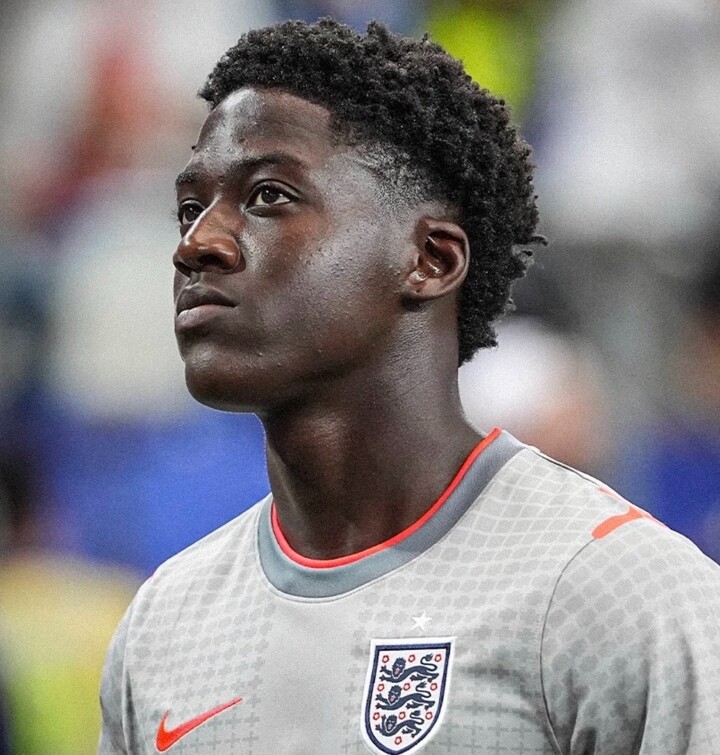
The Telegraph reported on Friday that following the devastating defeat to Argentina in the World Cup semi-finals, Tuchel faces the difficult task of rebuilding trust with his players.
Not all five players who withdrew this time were part of the World Cup squad; three of them did not even go to the World Cup. However, the absence of so many key players inevitably raises questions about the relationship between the manager and his players, and the players' willingness to play for England.
Palmer did not participate in the World Cup; Mainoo was called up to the squad but did not play a single minute; Rashford was in the squad but his playing time was inconsistent; Livramento withdrew due to injury before the tournament even began; Rice played throughout the World Cup while carrying an injury. No one would question that Rice genuinely has issues with excessive physical load.
However, these England matches are by no means insignificant friendlies or low-profile fixtures. While these are only Nations League matches rather than European Championship qualifiers, England will face World Cup and European champions Spain on Saturday, followed by away matches against the Czech Republic and Croatia, and then a home match against the Czech Republic. The team needs to perform well, and Tuchel needs this too. These matches are a stage to establish a winning mentality and prove that Tuchel is the right man to manage this team.
With nearly 20% of the initial squad collectively absent, this inevitably raises concerns: is the England national team regressing to that old era when club interests took precedence and the national team was relegated to secondary importance—an era that is not so distant?
Regardless of how one evaluates Gareth Southgate's management, he made significant and effective efforts to reverse this trend. He worked hard to make wearing the England shirt less of a burden, turning playing for England into something enjoyable rather than a chore, so that players were willing to answer the call.
As a player, Southgate personally experienced the problem of "cliques" and factions, which severely hampered England's performances in the past.
Even though Tuchel constantly promotes "brotherhood" within the team, has he done enough to preserve the spiritual legacy left by Southgate?
If these five players' injuries are not serious, and some are absent primarily due to load management considerations, then their complete withdrawal from this England squad is difficult to justify. A compromise would be: rest this week, then return to the squad for the final two matches; or at least present themselves for training during that time to integrate into the team's training environment.
Some national teams, such as Germany under Jürgen Klopp, have fielded two separate squads for these four Nations League matches and this long international break. A congested fixture schedule takes a toll on players both psychologically and physically.
Tuchel also considered a similar plan but ultimately decided against it. This choice is understandable. However, the reality is clear: a large number of players have chosen to withdraw, and regardless of whether this external perception is fair, the England national team has once again been relegated to secondary importance.
Traduzido por IA.
O site do AF já está online! Acesse notícias completas, comentários, detalhes de partidas e estatísticas no seu computador. Acesse: www.allfootballapp.com
 Arsenal
 Chelsea
 Manchester United
 Newcastle United
 Inglaterra
 Gareth Southgate
 Thomas Tuchel
 Declan Rice
 Marcus Rashford
 Cole Palmer
 Tino Livramento
 Kobbie Mainoo
Todos los comentarios