
In a column published in "A Bola," journalist Nélson Ferreira focused on the fallout from the Ronaldo incident and the appropriate place for the Portuguese legend within the team. While acknowledging Ronaldo's importance on athletic, media, and financial fronts, Ferreira argued that his status should not supersede collective principles.
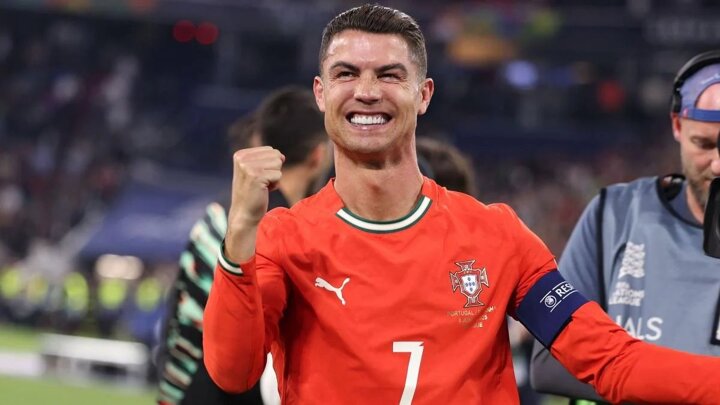
He stated with irony, "Ronaldo, the greatest player in Portugal's history, deserves special treatment. I wouldn't be surprised if he enjoys different disciplinary rules, nor would I be surprised if these rules are bypassed to allow him back into the national team. He is the biggest elephant in the room."
The journalist specifically highlighted upcoming questions regarding this partnership, including how Ronaldo and Jorge Jesus will coexist and how the locker room will react. Referring to Pedro Proença's publicly expressed wish, Ferreira wrote, "If this idea is shared by the entire Portuguese population, I know not everyone can understand why Ronaldo would return as if nothing happened." This assessment also illustrates how divisive the five-time Ballon d'Or winner's actions have been within Portugal.
The debate has long transcended the question of "whether to return to the national team." In another analysis published in "A Bola," lawyer Gonçalo Almeida, also a judge at the FIFA Court of Arbitration for Sport, criticized how the controversy ultimately harmed all parties involved. "Ronaldo's departure from the national team training camp the day before the match against Denmark has become a real national soap opera. Social media posts, promises to tell the truth, official statements, contradictory versions, and even outdoor billboards — all of this is almost absurd and severely damages the individuals involved, the national team, and Portugal itself," he argued.
Almeida called for all parties to resolve their differences discreetly and protect the national team's interests. This statement echoed external criticism of the excessive exposure of the conflict, which could have been handled internally. Furthermore, Ronaldo's impact on the FA's finances and image necessitates an especially cautious approach to this matter.
Former footballer and economist Diogo Luís, in an article titled "25 Years of Football and a Soap Opera Nobody Wanted," was even more critical of the responsibilities of all parties involved. In his view, the Portuguese Football Federation's failure to respond immediately after the captain's departure, which allowed the situation to escalate, exposed a lack of leadership. But Ronaldo also did not escape his criticism.
"Even if there were disagreements between the two sides, nothing that has been made public suggests a reason strong enough for him to abandon the national team midway through training," he opined, pointing out that the player's own explanations also weakened his claim of a clear commitment to play in Norway.
Commentators also believe that Ronaldo's justifications will only escalate the conflict, while Jorge Jesus has proven he has no intention of bowing to the captain's pressure. "I wouldn't say there are any winners in this, because honestly, I think everyone lost," he concluded.
Portugal hopes to welcome back Ronaldo in November, but his return will likely still be accompanied by sensitive issues: his status, playing time, and his influence within the Portuguese team.
AF's PC site is now live! Browse full news, comments, match details and stats on your computer. Visit: www.allfootballapp.com
 Al Nassr
 Cristiano Ronaldo
Todos los comentarios (2)