Norwegian farmers have Erling Haaland to thank. The Manchester City striker has not only led Norway to the World Cup quarterfinals but also significantly increased fruit and vegetable consumption in his home country. Haaland has gained a large following for his genuine personality and sense of humor on social media, where he also shares his extremely healthy lifestyle, including meditation and a carefully planned sleep schedule.
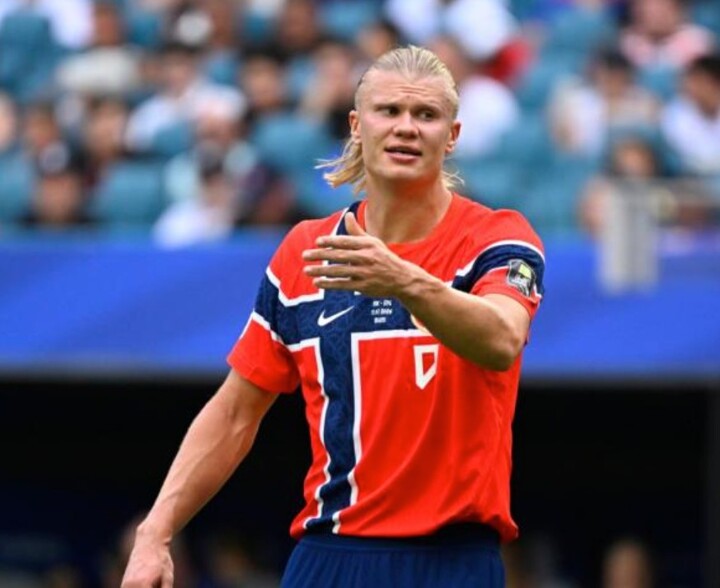
He has taken the opportunity to openly share his diet plan: frequent, substantial meals that are consistently healthy, with a balanced mix of protein and plant-based ingredients, all sourced from local and short supply chains. The striker places great emphasis on fruit and vegetable intake, with a particular fondness for carrots. He not only eats grated carrots but also snacks on fresh, unpeeled carrots as a dessert or snack, thereby avoiding sugar, which is strictly forbidden in his diet.
"The Haaland Effect" on Sales
"I grew up around fields and farms, seeing firsthand how vegetables are grown and understanding the hard work farmers put in. This made me very conscious about my diet quality," Haaland said. As a result, he eats only organic carrots, snacking on them anytime, anywhere, even while signing autographs.
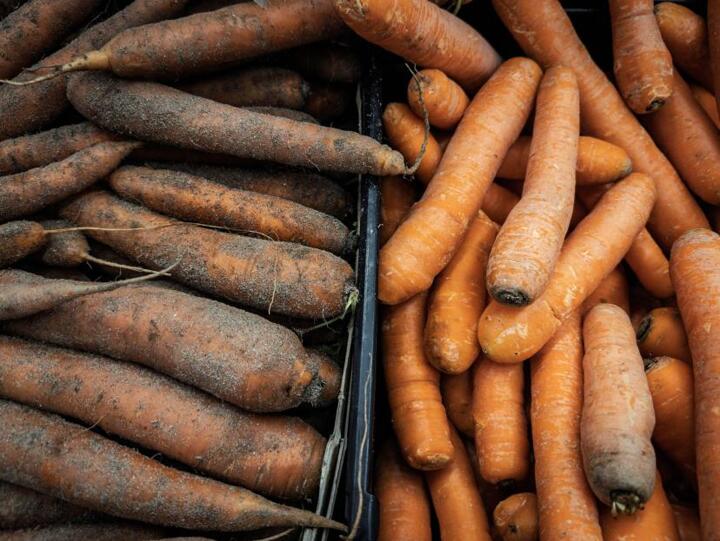
His love for this umbelliferous vegetable has also influenced Norwegian youth who idolize him. A weekly report released by the Norwegian Ministry of Agriculture in early August stated: "This summer has been a bumper harvest season for Norwegian carrots." According to the ministry, "farmers have cited the 'Haaland effect' on sales, a result of World Cup fever."
More broadly, the entire fruit and vegetable industry appears to be thriving thanks to the marketing momentum of this "human machine." Haaland has appeared in advertisements for Bama vegetable retailers, which aired on Norwegian national television, showing him driving a truck and eating carrots.
This method of promoting vegetable consumption is far more effective than parental nagging. Local media VG reported that six-year-old Alf demanded "Haaland candy – that is, carrots." "He admired Haaland throughout the World Cup, and now he keeps asking how he can become Haaland," said Alf's mother.
Additionally, Haaland has advocated for Norwegian local farmers, urging people to buy local products. "When it comes to taste, Norwegian vegetables are unmatched," he asserted. "I don't know if it's the climate, water quality, or soil, but the difference is really noticeable." This dedication even prompted the Norwegian Football Federation to specifically transport 300 kg of fish, 116 kg of cheese, and 6,000 oranges from Norway during the World Cup, solely to keep the players in peak condition.
Moreover, the "Haaland effect" is not limited to the World Cup period. Last week, the Norwegian Ministry of Agriculture happily announced "strong demand for fruit grown in Norway" and stated that "especially carrots with their tops have experienced significant sales increases compared to previous years."
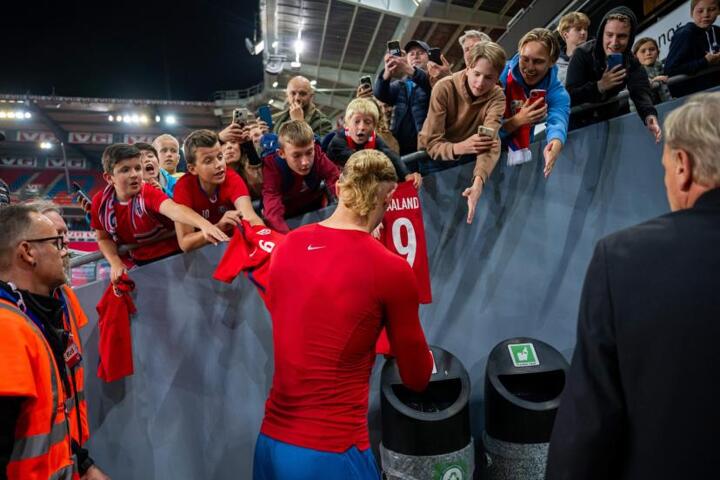
The Norwegian government is pleased about this as well, since scientific research shows that eating habits are formed from an early age. France's National Research Institute for Agriculture, Food, and Environment (Inrae) shows that age 12 is a critical point: whether a child maintains a healthy diet in the future depends heavily on habits formed before this age. According to the institute, "the foundation of dietary preferences and consumption habits is formed before this point."
Therefore, childhood is a "crucial stage for developing future eating habits." This also means saving significant healthcare and education costs – poor eating habits increase the risk of cardiovascular disease, high blood pressure, and are linked to 25% of cancer cases.
Diterjemahkan oleh AI.
Situs web AF kini hadir! Lihat berita lengkap, komentar, detail pertandingan, dan statistik di komputer Anda. Kunjungi: www.allfootballapp.com
 Manchester City
 Norvège
 Erling Haaland
Tous les commentaires