
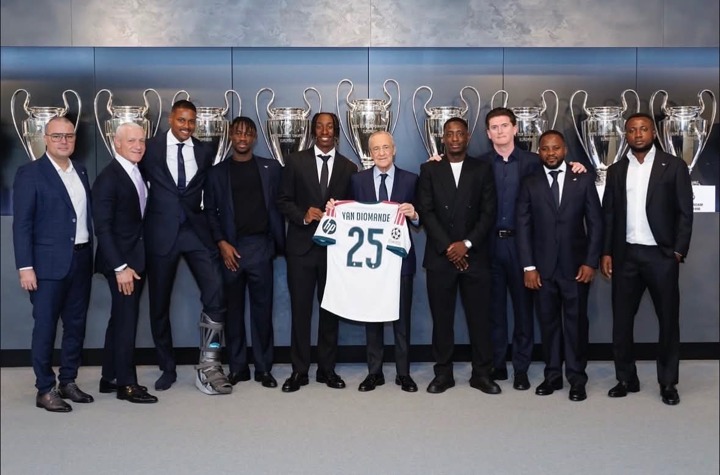
This summer, Ivorian winger Yan Diomandé transferred from RB Leipzig to Real Madrid for a fixed transfer fee of €125 million, setting a new record for the highest transfer fee in Real Madrid's history.
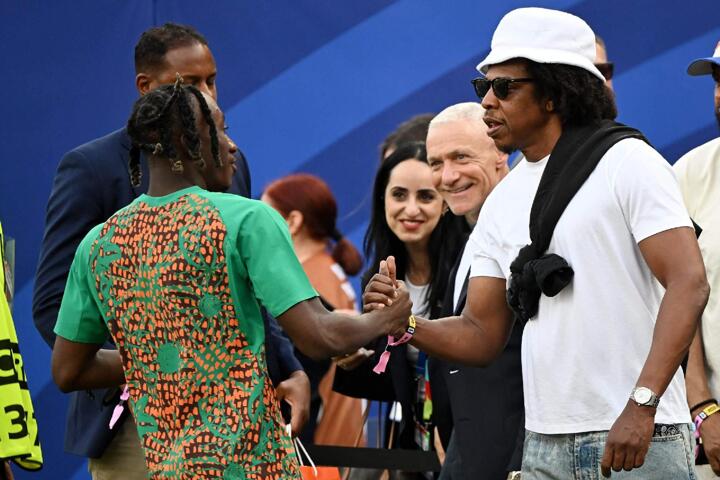
On the field, the 19-year-old "100-million-euro man" fully demonstrates his talent; off the field, the agency Roc Nation, which facilitated this deal, is gradually expanding its football footprint. What is even more intriguing is that Diomandé has also been embroiled in a dispute over agency contracts and commercial rights.
Jay-Z and Diomandé
Record label → Football agency giant
In 2008, the household American rapper Jay-Z founded Roc Nation. The company's initial core businesses were artist management, record publishing, tour promotion, and brand partnerships. It then gradually expanded into a comprehensive entertainment company covering an artist's entire commercial lifecycle.
In 2013, Roc Nation diversified into sports agency, a move that seemed unexpected but was also logical. The sports industry also has a global market and superstars. The income of a modern sports superstar no longer just includes salary and bonuses but also sponsorships, image rights, social media, content production, and agency commissions from transfers.
Initially, Roc Nation entered the most mature professional sports market in the United States, getting involved in top leagues such as MLB, NFL, and NBA. One of its biggest moves was signing basketball superstar Kevin Durant.
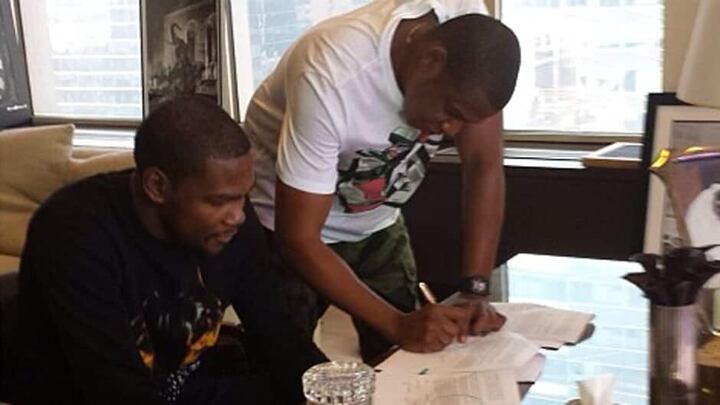
However, it's clear that football offers greater global potential: unlike the relatively closed league system of American professional sports, football knows no national borders, and players can move between different countries and leagues, which means a broader commercial market.
In 2015, Roc Nation officially entered the international football market, signing Jérôme Boateng, who had just won the World Cup with Germany. In 2019, the company further established Roc Nation Sports International (RNSI), setting up an office in London, and separating its international football business.
Roc Nation truly established itself in the football world in 2023. That year, RNSI acquired the Brazilian football agency TFM, bringing a host of top players like Vinicius, Martinelli, and Endrick under its wing.
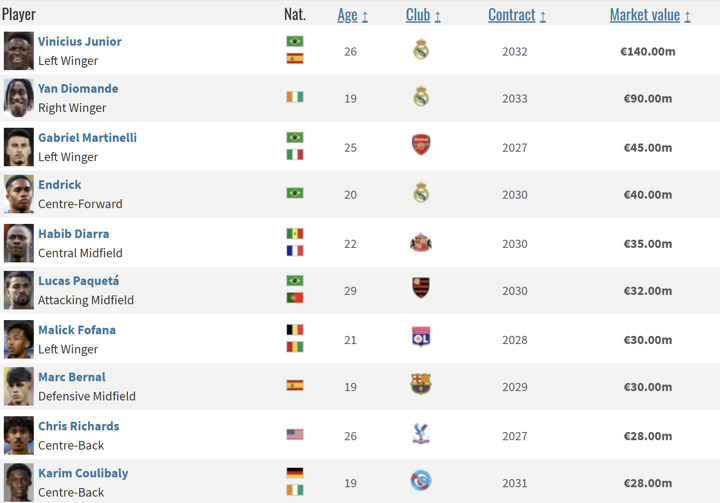
From then on, Roc Nation finally gained a significant foothold in football. According to Transfermarkt, as of now, RNSI represents 136 players, with a total market value of €742 million (ranking 11th among global football agencies).
Real Madrid's good friend?
This summer, Real Madrid renewed its contract with Brazilian superstar Vinicius until 2032, and Roc Nation played an important role in facilitating this deal. Coincidentally, in the same summer, Roc Nation was also involved in Diomandé's transfer to Real Madrid, despite the latter only joining RNSI earlier this year. Coupled with another talented young Brazilian playing for Real Madrid, Endrick, it inevitably leads to speculation: is there a special cooperative relationship between Roc Nation and Real Madrid?
It's a reasonable assumption that there is indeed a very friendly interaction between the two parties. However, rather than calling it some kind of behind-the-scenes cooperation, it's more accurate to say that two sets of business logics have perfectly aligned in a "two-way convergence."
Genetically, the biggest difference between Roc Nation, built by Jay-Z, and traditional European agencies is that it is not content with being a "transfer broker." The core resource of traditional agents is club relationships, and their main job is to help players find their next contract, negotiate salaries, and transfers. Roc Nation, on the other hand, prefers to manage the players themselves, handling almost all aspects of a player's off-field commercial value development, from endorsements, charity, and media relations to brand strategy, ultimately transforming a football player into a global superstar.
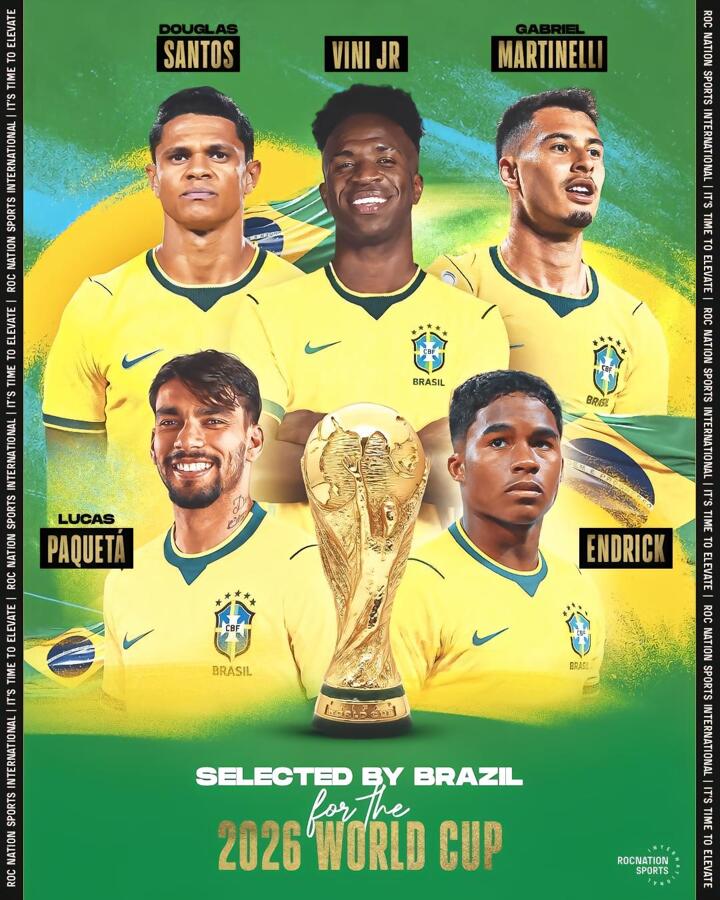
Real Madrid happens to be the "most restless" football club, and in some sense, the "Galácticos" at the turn of the century were important pioneers of modern football commercialization. Today's Real Madrid is no longer just a football team but one of the top sports IPs in global football. If one wants to maximize the global commercial value of Roc Nation's players, who better than Real Madrid?
Of course, top talents like Vini Jr. and Diomandé are rare finds. After acquiring TFM, Roc Nation further solidified its advantage in Brazil, a traditional hotbed of football talent. Next, it must continue to bet on potential stars like Diomandé, developing the keen eye to identify and find the next young player who can grow into a superstar.
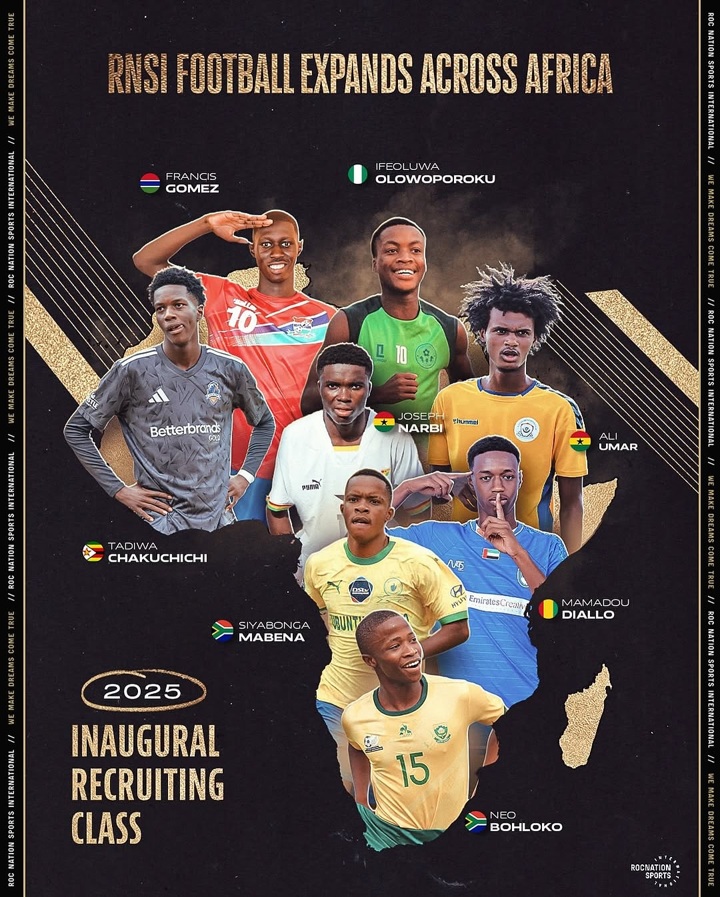
Last year, RNSI signed eight young players from six African countries, increasing its investment in the African talent market. Perhaps in the near future, we will see a fourth, or even more, young players represented by Roc Nation wearing Real Madrid's white jersey.
Agency rights dispute
Recruiting Diomandé was not smooth sailing.
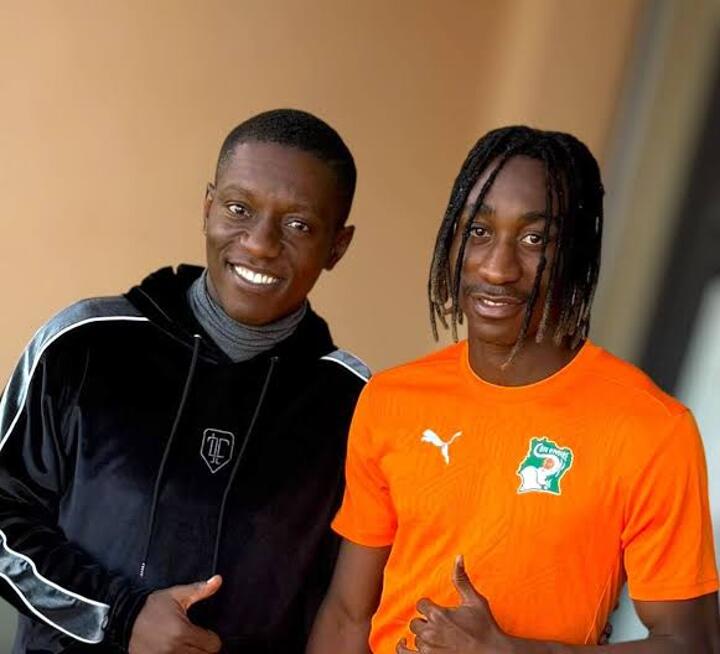
This African football prodigy, who came from a poor background and didn't even have a TV as a child, had close ties in his early career with Maxidel Management, founded by former Côte d'Ivoire international Max Gradel. Maxidel facilitated his transfer from Leganés to Leipzig. Later, Diomandé moved to Roc Nation, which then represented him in negotiations to join Real Madrid.
The controversy stems from this. Maxidel claims that the original agency contract with Diomandé was valid until 2027, and is still in effect. His subsequent signing with Roc Nation allegedly violated their original agreement. Maxidel then filed a complaint with FIFA, which was one of the reasons why the deal between Real Madrid and Diomandé was delayed in completing the formal procedures. Fortunately, in the end, this dispute did not prevent Real Madrid from completing the signing.
It's no surprise, when a player's transfer fee reaches €125 million, the agency rights surrounding him alone constitute a huge business. According to The Guardian, Roc Nation could receive up to £17 million from this deal.
The story doesn't end there. Another company, Rainbow Images, also claimed that it was involved in Diomandé's development since he was still in Côte d'Ivoire, and that the image rights and related intellectual property agreements signed between them were still valid. This means that a young player like Diomandé could simultaneously have agency contracts and image rights agreements signed at different stages. The higher a player's value, the more valuable these seemingly insignificant contracts can become.
Thus, a seemingly simple player transfer ultimately evolved into a commercial battle over agency rights, image rights, and future earnings.

The predicament of young African footballers
Diomandé's growth trajectory is a microcosm of global football talent flow: an Ivorian youth, after training and honing his skills abroad, entered the top five leagues, stunned the football world in just a season and a half, and ultimately joined Real Madrid for over 100 million euros, becoming a sought-after superstar.
However, in this process, the speed at which players rise often far outpaces the development of legal and commercial safeguard systems. For many young African players, Europe represents a springboard for changing their destiny, but it also comes with a huge information gap. They may be surrounded by agents, scouts, youth academies, intermediaries, and even investors from their early teens, yet they rarely have the ability to truly understand the complex clauses in a transnational contract regarding agency authority, image rights ownership, and breach of contract liability.
Who discovered him, who funded his training, who bore the early costs, who signed the first professional contract, who owns the image rights, and who has the right to participate in the next transfer negotiation. These seemingly basic legal questions, once a player becomes famous, can all evolve into astonishingly lucrative power struggles.
More concerning is that, spurred by immense wealth, the African football ecosystem has long been plagued by deception, exploitation, and even human trafficking of young players. Some underage players are lured away from their homes by so-called agents with promises of trials in Europe and professional contracts, and at an age when they should be receiving an education, they are treated as "golden geese," thrown into unfamiliar and extremely competitive environments, participating in real-life "Squid Games."
Winners like Diomandé, bring a host of related parties "upward with them"; however, more losers may not only miss out on professional football but also lack the basic skills to thrive in society due to leaving the education system too early, making their future worrying.
This is the reality we live in – there's Roc Nation and its dazzling prosperity, there are the undercurrents and struggles surrounding Diomandé's agency rights, and further afield, there are countless African children who never became Diomandé. Relatively speaking, the fate of the latter has not yet received the attention it deserves.

AF's PC site is now live! Browse full news, comments, match details and stats on your computer. Visit: www.allfootballapp.com
 Pantai Gading
 Etiopia
 Gambia
 Nigeria
 Afrika Selatan
 Real Madrid
 Zimbabwe
 RB Leipzig
 Vinicius Junior
 Yan Diomande
Semua Komentar (6)