
Real Madrid generated approximately €215 million this summer by selling several players from its academy La Fábrica, setting a new club record for academy player sales, according to The Athletic. Real Madrid's academy model is shifting: rather than retaining players long-term to await first-team opportunities, the club now prefers to sell them, often retaining resale clauses or buyback options.
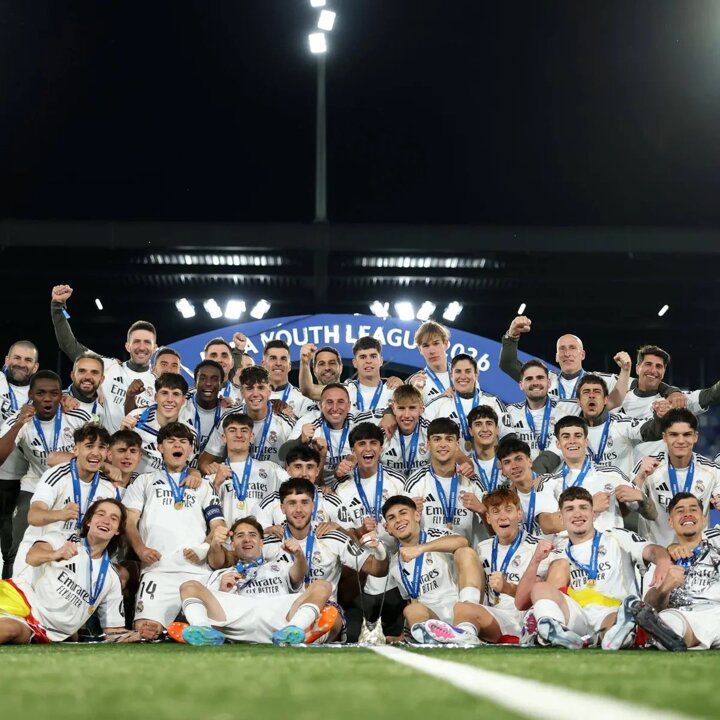
"Don't worry, we produce footballers here. This summer alone, we've generated 200 million euros in revenue."
Over recent months, this message has been repeatedly delivered by Real Madrid academy officials in meetings with player agents. Real Madrid's academy, known as "La Fábrica" (meaning "The Factory"), has become one of the most productive youth development systems in world football.
According to data from CIES Football Observatory in October 2025, among 49 leagues surveyed, 58 players trained at Real Madrid's academy currently play in professional leagues.
This summer, Real Madrid benefited from the transfers of more than 10 La Fábrica graduates, with total transfer fees reaching approximately €215 million (around $244 million USD, £184 million GBP), a new club record. This includes €60 million from Real Madrid's re-transfer deal with Como for Nico Paz, who joined Como in August 2024. Additionally, Fulham paid a combined €50 million for forward Gonzalo García and midfielder César Palacios.
Liverpool paid €40 million for winger Víctor Muñoz, with Real Madrid retaining a 50% resale clause when he was sold in summer 2025.
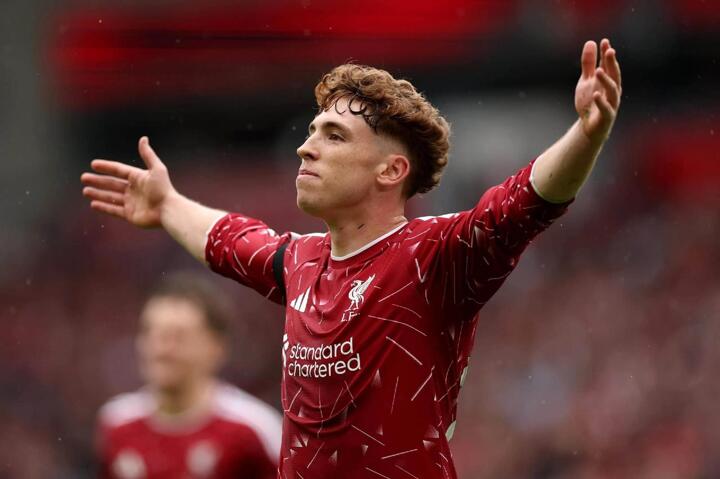
These player sales helped Real Madrid fund its first-team reconstruction. The most prominent acquisition was winger Kylian Mbappé, whom Real Madrid signed from Paris Saint-Germain in a deal valued at €180 million (including add-ons), a new club record transfer fee.
However, one particular departure from Real Madrid's Valdebebas training ground attracted significant attention.
Like other sources in this article, some sources requested anonymity to protect their relationships. They believed the most surprising sale was 20-year-old forward Jaco Ortega.
Strasbourg paid €10 million for Ortega, despite the player never having appeared once for Real Madrid's first team and only a handful of times for Real Madrid Castilla, the reserve team. At the start of last season, he was even playing for Real Madrid's third team.
On September 19, Real Madrid's U20 team won their first-ever Intercontinental U20 Cup, defeating Chilean team Santiago Wanderers 3-1. This competition, held annually since 2022, brings together the champions of youth tournaments from Europe and South America.
Real Madrid U19, coached by Álvaro López, also won the UEFA Youth League in April, defeating Club Brugge in the final. The UEFA Youth League is considered the junior version of the Champions League. Sources at Valdebebas believe these achievements have transformed external perceptions of Real Madrid's academy players.
Former Real Madrid manager Álvaro Arbeloa's faith in academy players last season also helped. After replacing Carlo Ancelotti in January, he gave first-team opportunities to several academy graduates. Previously, he had managed Castilla in the first half of the season and spent four years with the U19 squad.
Under Julián López de Lerma's leadership, Castilla reached the Premier League International Cup final, a competition featuring U23 teams from across Europe. Additionally, they narrowly missed promotion in the playoff semi-final of Spain's third division, losing to Sabadell.
However, Real Madrid's wholesale selling of academy players this summer cannot be attributed solely to a successful season. The real reason lies in La Fábrica's development model.
La Fábrica's primary goal is to develop players who can succeed in professional football, rather than exclusively channeling talent to Real Madrid's first team. This distinction is crucial. After all, the number of available positions in the first team is limited, especially in attacking positions.
Additionally, La Fábrica does not adhere to a single, fixed playing style. From the U12 level upward, players are trained to adapt to different game scenarios, and their development is increasingly personalized and driven by technology, including video analysis and GPS tracking to monitor player workload.
Over the past two seasons, two academy players have gradually established themselves in the first team—though not yet as regular starters—center-back Raúl Asencio and attacking midfielder Thiago Pittacci.
Both benefited from injuries to other first-team players and a lack of adequate alternatives in the squad. At the same time, the pathway for Real Madrid academy players to transition gradually has been formalized under the push from club general manager José Ángel Sánchez. So why are these players valued so highly? What has actually changed at La Fábrica?
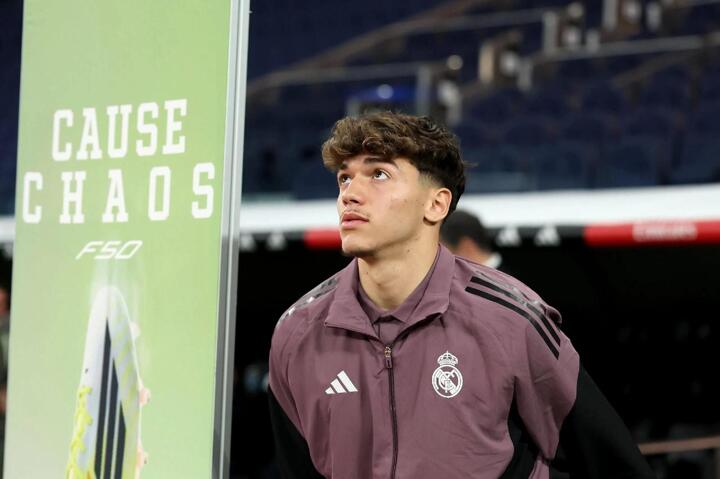
Real Madrid has chosen not to loan out players—currently, LaLiga regulations allow a maximum of six players to be loaned to other LaLiga teams, plus six more to foreign clubs—but instead to sell them outright while retaining resale clauses, typically 50%, as seen in the Muñoz deal.
Other clubs, including Barcelona, have adopted a similar strategy. However, Barcelona's La Masia academy has clearly produced more players for Camp Nou's first team.
For Real Madrid, this model also provides an alternative pathway for academy players to potentially return to the first team in the future. Dani Carvajal is the classic example. Real Madrid sold the right-back to Bayer Leverkusen in 2012 and then brought him back to Madrid the following year.
Before Real Madrid renegotiated the transfer agreement for Nico Paz with Como, there was speculation that the 22-year-old Argentine international might follow the same path as Carvajal.
However, this summer, the situation changed. After two consecutive seasons without winning a major trophy, Real Madrid brought back José Mourinho.
Mourinho is known as a manager who pays close attention to youth player development and is very familiar with academy players. But for some young players, the question is: will his understanding of them be enough to truly give them a chance?
Paz is a prime example. After his second season at Como, Paz was named the best young player and best midfielder in Serie A. Real Madrid hoped to bring him back to the team, holding a buyback clause of around €9 million.
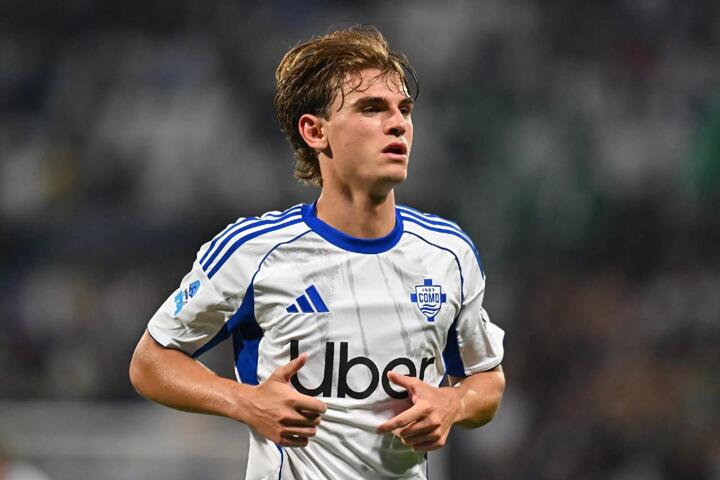
Paz saw no clear pathway to the first team with Jude Bellingham and Arda Güler ahead of him. Ultimately, he chose to remain in Italy for at least one more season, and Real Madrid now holds an €80 million buyback clause to bring him back next summer.
Gonzalo García faced a similar choice. Kylian Mbappé was already ahead of him, and Endrick would also return after his loan spell at Olympique Lyonnais.
Mourinho wanted the 22-year-old forward to stay, but Gonzalo ultimately chose to join Fulham alongside Arbeloa, accompanied by midfielder César Palacios and Manuel Ángel.
Diterjemahkan oleh AI.
Situs web AF kini hadir! Lihat berita lengkap, komentar, detail pertandingan, dan statistik di komputer Anda. Kunjungi: www.allfootballapp.com
 리버풀
리버풀
 풀럼
풀럼
 스트라스부르
 코모
코모
 레알 마드리드
 곤살로 가르시아
 빅토르 무뇨스
 니코 파스
니코 파스
 세사르 팔라시오스
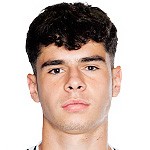 Jacobo Ortega
 티아고 피타르치
모든 댓글