
According to Argentine media outlet Clarín, Messi's final match for the Argentine national team has now become history, and this farewell game starkly exposed the incompetence of the Argentine Football Association (AFA).
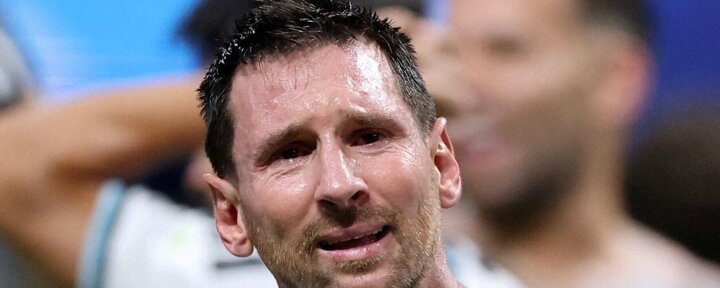
Messi's last match for the Argentine national team is now in the past, and this farewell has once again highlighted long-standing issues within the AFA's management. Argentine media have criticized the organization, led by AFA President Chiqui Tapia, for subjecting fans and players to years of poor governance.
Amid ongoing corruption allegations, judicial investigations, and controversies surrounding refereeing, Tapia should have paid tribute to Messi in a more dignified manner. After all, the star's performances and victories brought glory to Argentine football and benefited the AFA's standing.
Now that Messi's national team career is drawing to a close, questions remain about his future involvement in Argentine football, including the possibility of joining Newell's Old Boys in the domestic league. More importantly, what role can Messi, as one of the most influential players in world football, play in Argentine football going forward?
Messi has long been charting a course for his post-playing career: becoming a football club owner. He does not have to wait until he retires to pursue this path. While still playing for Inter Miami, he has been gradually expanding his involvement in club management.
In April, Messi acquired Spanish club Cornellà, which currently competes in the Spanish fifth division. A few weeks later, he also purchased shares in Spanish club Eldense, competing in the Spanish Segunda División. Additionally, Messi's Inter Miami contract includes an option to acquire club shares after his retirement.
In a January interview about his future plans, Messi expressed his clear interest in club ownership. "I don't see myself as a coach. I like the role of a manager, but if I had to choose, I'd rather be an owner. To own a club, starting from the grassroots, providing opportunities for children to develop, and building the club."
Messi has successfully pursued these ambitions in Spain, but their realization in Argentina appears unlikely due to a fundamental conflict with the views of AFA administrators like Chiqui Tapia.
Months ago, Tapia, when discussing the sports stock corporation model, stated: "They only want to be the owners of clubs and players." This statement reflects the AFA's resistance to external capital involvement in football club management.
Some might point out that the Messi family currently manages their hometown club, FC Leones, which competes in Group C of the Argentine Primera C. However, the article argues that this case actually exposes a contradiction in the AFA's current management approach: Leones adopted a relatively discreet trust management model and gained direct qualification to the fourth division without following the AFA's usual amateur league promotion pathway.
If the objection to the sports stock corporation model is based on the belief that investors pursue only economic gain, thereby compromising the social value of football clubs, how should Messi's acquisitions of Cornellà and Eldense be evaluated? Should he also be criticized for attempting to take control of clubs?
The AFA's position reveals a fundamental contradiction: the club management model that Tapia and others oppose is precisely the model Messi is adopting and plans to use to build his football future.
AF's PC site is now live! Browse full news, comments, match details and stats on your computer. Visit: www.allfootballapp.com
 아르헨티나
아르헨티나
 리오넬 메시
모든 댓글 (11)