
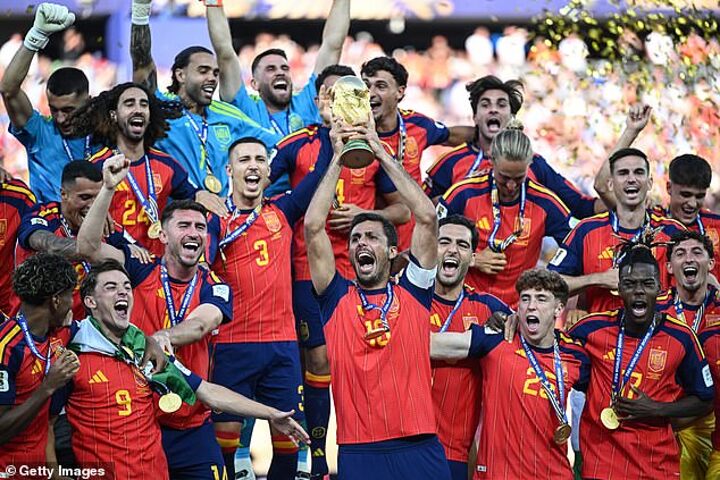
The world champions are at Wembley on Saturday. Had things been different in an American summer, it could have been the hosts. But it is Spain who arrive draped in gold, the standard bearers for team collectives and knowing their national identity.
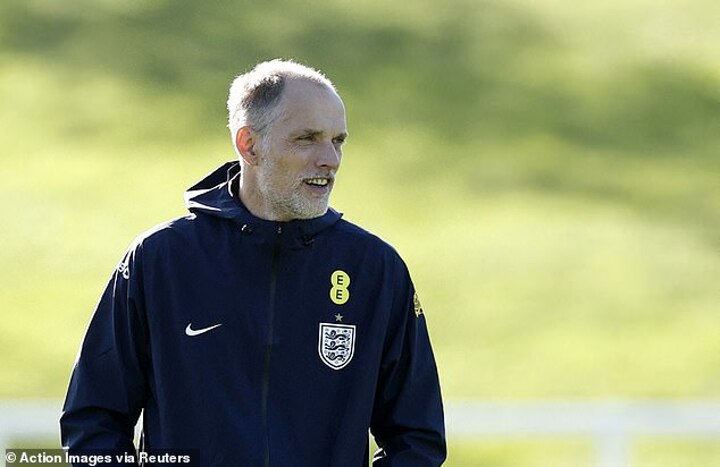
There seems to be somewhat of a crisis on that front here in England. Manager Thomas Tuchel’s response to World Cup defeat was to blame the DNA of our players, reducing scores of English talent to those who do not want to pass or cannot control games.
Tuchel’s comment was made in the tense, adrenaline-heavy environs of a post-game interview area immediately following semi-final defeat to Argentina in Atlanta. It was not meant to degenerate.
But his supposedly more considered take on those at his disposal before a first international camp since that day made his England sound a little like Wimbledon. A bit too much talk about ‘kicking into the opponent’s box and fighting with them’.
Nobody at the FA’s top table can have enjoyed that description.
Tuchel certainly seems uncertain as to what an England team should look like and has doubled down on the idea that taking the initiative in possession is an unreasonable expectation for this country.
Here, easy comparisons with Spain can be made.
The champions treasure control of the football like no other nation. Through the age groups, from boys to men, it is a mantra drilled home through education and repetition until it becomes second nature.
The frustration in England is that the FA have supposedly been working towards that, too. From that point of view, comfort in possession should come more easily to this current crop of senior players than Tuchel appears to suggest.
Many of them, after all, have been involved in age group triumphs, styled on Dan Ashworth and Matt Crocker’s DNA philosophy unveiled in 2014 that focused on absolute alignment of style from the Under 15s through to the seniors.
‘The only difference was the size of the shirt,’ those inside the building would say.
What Tuchel may have observed more recently is a falling off a path. There has been a heavy turnover of coaches at age group levels, an inexplicable failure of the Under 17s to qualify for next month’s World Cup in Qatar and indeed an Under-19 squad including Arsenal’s Max Dowman and Liverpool’s Rio Ngumoha not making the summer’s European Championship.
The head coach may also have observed what some sources claim is a muddled games model that has seen different teams operating in different styles, something far removed from Ashworth’s ideal that yielded unprecedented success at youth level under a number of coaches who are no longer affiliated with the FA.
Worryingly, some sources argue that there doesn’t appear a blueprint anymore.
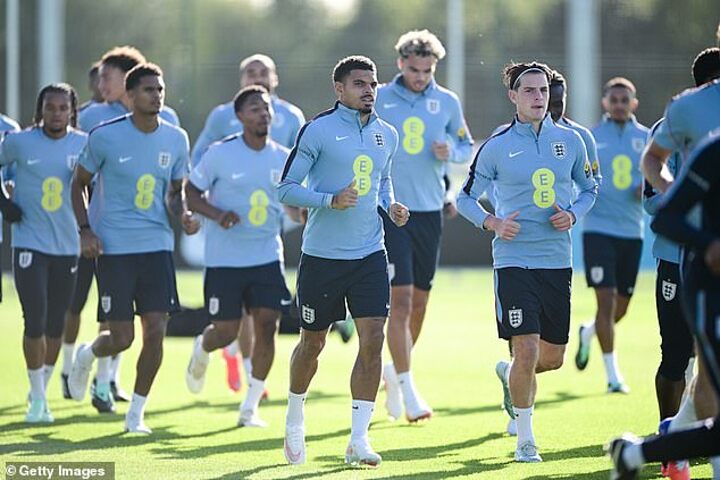
So maybe Tuchel is right when he queries the DNA, if only for the wrong reasons. He would be right were he to be discussing the state of the next generation but in terms of his own crop of players, it really should be different.
He might have a point in saying not many Englishmen are at the heartbeat of Premier League teams who are hard-wired to control matches, but he overlooks their schooling before that juncture and the work that has previously gone into producing the current elite.
England’s Under 21s, for example, have won the last two European Championships in 2023 and 2025, beating Spain in both of them.
The prevailing narrative during those tournaments was how these youngsters resembled a continental side. Indeed England had so much control in Georgia three years ago that they went through the entire six-game run to glory without conceding a goal.
Somebody in the St George’s Park labs should be working day and night to replicate that DNA. Sources say they have not been for some time.
The Under 21 squads were wildly different from 2023 to 2025 but the outcome was the same. More gold. And the learnings these players were delivered in Category 1 academies through the Elite Player Performance Programme mean that anybody entering the men’s game from a Premier League youth set-up is likely to know how to devour the ball.
If anything, the criticism of academy football now is that the truly top prospects never defend.
‘I’m not sure that I have the time to coach them to [keep the ball],’ Tuchel said last Friday.

Thankfully for him, his players don’t need teaching that. And if they do, they should be nowhere near the international arena.
When the age-group garden looked rosier, the FA’s pathway preached taking care of possession and then utilising our Englishness higher up the pitch by exploding in the final third.
A great deal of this was on display during U21 mastermind Lee Carsley’s temporary tenure with the seniors. The quick recycling of possession, the patterns of play, the energy.
‘I'd like to think what the Spanish Press are saying about our players,’ Carsley said after beating them in last year’s Euros quarter-final.
‘That we’re technically capable of taking the ball. I know in the past we've probably not got the respect at youth level for having technically gifted players; players that are capable of dictating a game.
‘It’s important that when people watch England Under-21 play, they’re excited. We want to see real attacking, aggressive football.’
That this cannot translate to the real stuff means there is a failing somewhere along the way. Whether it is the style of the Premier League as Tuchel suggests or something else, clearly something is acting as a roadblock.
It is definitely not the contact time between staff and players. Under-21 coaches have no longer than the seniors to impart specific messaging or tactical style but have managed it.
Gareth Southgate once confessed that the lack of genuine holders in midfield was keeping him awake at night, fearing for the balance if Declan Rice was ever missing. Elliot Anderson’s conversion into that role by Carsley at U21 level 18 months ago bore fruit in the sense that he eventually became a crucial part of Tuchel’s plan in America. His move to Manchester City ought now to elevate him further.
With the backdrop of Rice’s nudge towards a more attacking role in recent years, Anderson shows that those midfielders coming through have the brains to be able to operate deeper provided they take a holistic approach to a team sport.
Dani Olmo’s reinvention in Spain’s midfield is exactly what England should be looking at.
That and their lack of No 9s. Spain don’t have them, in the same way as Tuchel showed he had nobody to call upon behind Harry Kane at the World Cup. Spain play a different way with Mikel Oyarzabal or Ferran Torres and of this current England squad, at least before withdrawals, Cole Palmer and Anthony Gordon have excelled as false nines in the age groups.
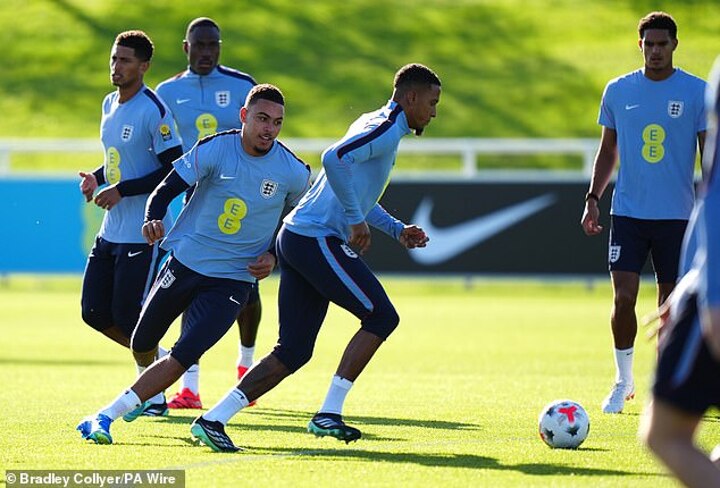
The strikers coming through the English game have gone missing. Of the last five Englishmen who took home the Golden Boot at Under-18 level, two are now in League Two, one in Singapore, another in League One and last season’s remains in the academy system.
Spain dealt with Alvaro Morata’s decline without issue and there can be lessons to take from that. It’s based on everybody wanting the ball.
There is much to take and admire from Spain but then again, the quality and tools at England’s disposal are not overly different. The answers are in their own back garden. For now, at least.
 အာဆင်နယ်
 လီဗာပူး
 လီဂါနက်စ်
 မိုရာတာ
 သောမတ်စ် တူခယ်လ်
 ဒက်ကလန် ရိုက်စ်
 ရီယို အင်ဂူမိုဟာ
မှတ်ချက် အားလုံး (2)
မနေ့က 23:31