
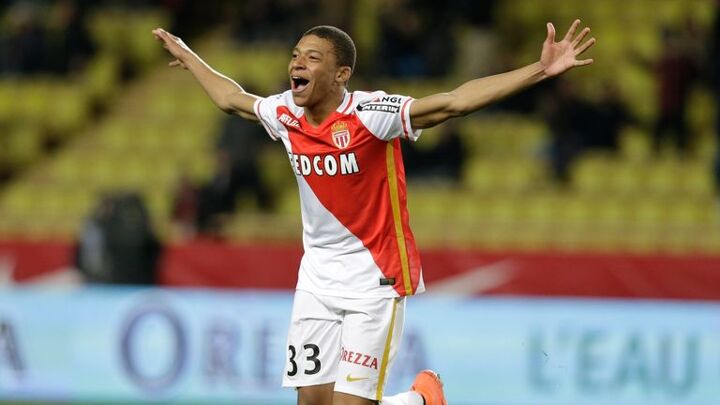
Inspiration is never far away for the youngsters staying at La Diagonale, Monaco’s famed academy. The bedrooms at the facility bear the names of former players who have passed through the place. You could be in the room of Thierry Henry or Kylian Mbappe.
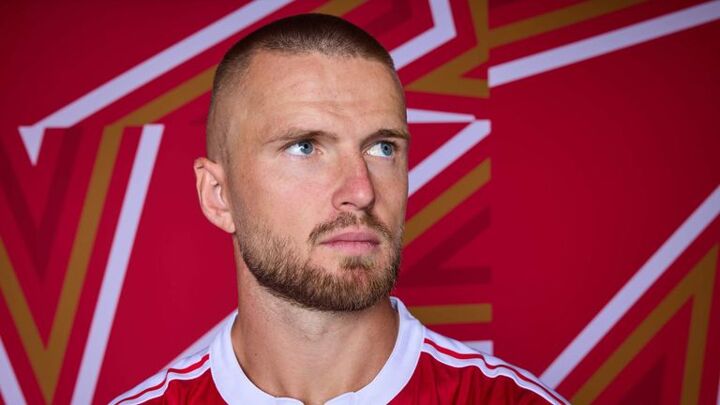
"I like that kind of detail," Eric Dier tells Sky Sports. "It is very special." Dier is a senior figure at Monaco now but it resonates with him from his time as a youngster at Sporting. "It makes you feel you are in the right place to make that journey as well," he adds.
"Because of how they have been successful that gives a lot of confidence to the young guys to be in an academy where so much talent comes through. They see a clear pathway. They know they are at a club that knows how to do it. It is a remarkable place."
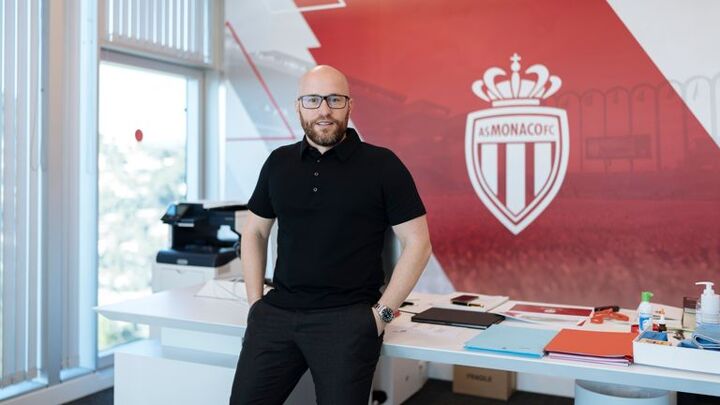
For Monaco's general manager Thiago Scuro, creating that feeling among the current crop of academy talent has never been more important. Monaco are without Champions League money this season and the race for young players is heating up too.
If Monaco are to find a way forward in the modern game, it means leveraging La Diagonale like never before. But with quality players continuing to emerge and the club top of the table in France under new coach Filipe Luis, there is real optimism again.
"Imagine how inspiring it is for a 15-year-old kid coming to live in La Diagonale," Scuro tells Sky Sports. "There are a lot of factors that Monaco a very special place for young players and a big part of our strategy is investing in the academy to help develop them."
Dier describes Monaco as "unique" while Scuro points out that this is effectively a country playing club football. "We have a mission to represent the Principality." But there are practical reasons too why Monaco is ideally positioned to bring through talent.
Necessity is the mother of invention and this is a club whose success is built on the academy. "We need to be able to develop players to be able to compete at the top level because we do not have a big stadium. We only have 36,000 people living in Monaco."
Modest crowds can mean more time for players to grow. "The level of pressure inside the club suits young players," explains Scuro. "They can take chances, make mistakes and go again." Even so, Henry and Mbappe were both French title winners at Monaco.
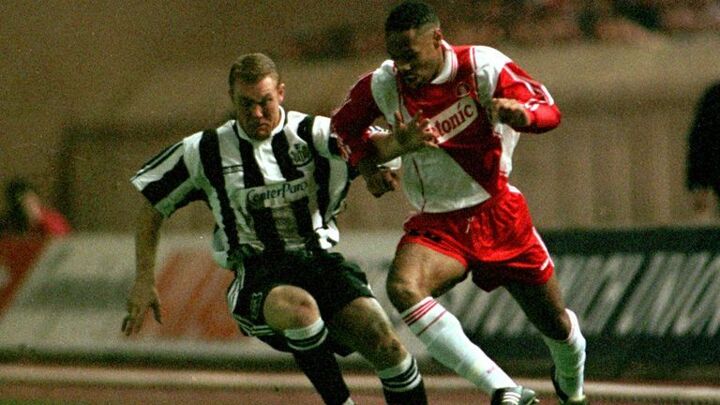
But Henry was gone by 21, Mbappe by 18. That alone indicates the trend towards top talents moving on more quickly these days. It is putting far greater pressure on clubs like Monaco not just to keep hold of young players but to recruit them in the first place.
"The competition for young, talented players has gone to another level," concedes Scuro. "Ten years ago, clubs like Monaco, Benfica, Porto, Ajax and Lyon would recruit young players and develop them." The food chain was always there but it took time.
"If they succeeded then they would reach the Premier League, they would reach Madrid or Barcelona. But the reality is that in the last decade, more and more of those clubs are going directly to recruit 17 and 18-year-olds. This has forced us to adapt our strategy."
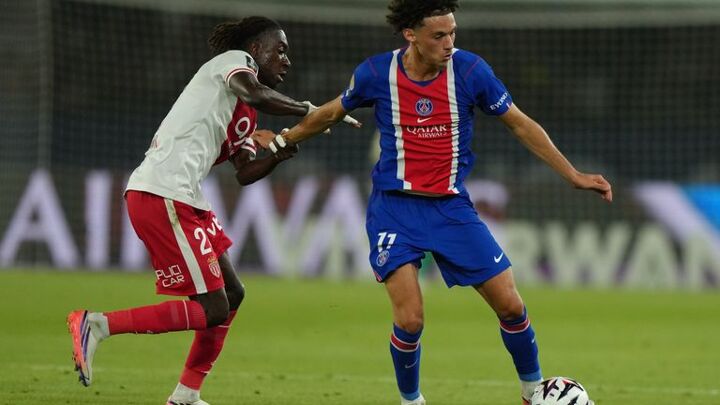
Monaco are going younger now. "We are more and more focused on early-stage recruitment." Paris-born Mamadou Coulibaly came to the club aged just 15. "At the start, it was hard because not everyone has to leave their parents," he tells Sky Sports.
"I had to adapt. I worked a lot on my mentality, to become a man. I just say thanks to the educators during my time with the academy. I progressed with them a lot and made friends. At Monaco, yes, it is a beautiful place. But the football side of it is also top."
Coulibaly is 22 now, a starter, along with Dier, in the recent 2-1 win away to Paris Saint-Germain. That he is into his fourth season with the first team owes a little to injury. Others, such as Aladji Bamba, have come and gone for big money in the meantime.
Scuro is not sure it is ideal. Monaco can be an important step in the journey. He talks of football pushing "too many players from this path" and how it is "starting to have an impact on how good these boys can become" if they skip this development phase.
With the emphasis on even younger players, it only increases the importance of players like Dier. "This is where we try to create the balance," says Scuro. They aim to have around one-third of the squad made up of older players who can set the standards.
"Young players also need reference inside the dressing room. They need experienced players to give sustainability to the team but also to guide those players daily on how to behave, how to learn, how to work. They became a strong source of inspiration."
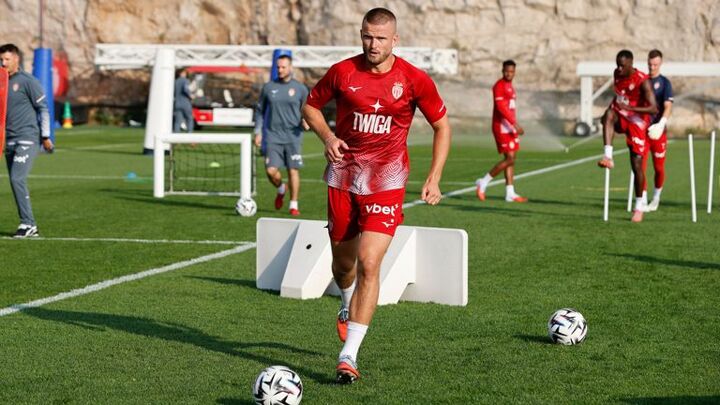
As well as Dier, there is captain Denis Zakaria. Aleksandr Golovin is now into his ninth season at the club, while Lukas Hradecky adds experience in goal. Dier takes the responsibility seriously. He has even taken on a coaching role at the academy.
"I really enjoy it. The club, academy director Manu Dos Santos, the coach of the under-17s, they have been so welcoming and open to me. It has been a fantastic experience to spend time with them and try to develop myself and try to help them at the same time.
"To spend time with the young boys at the start of their journey, it is great to be a part of that and to help them if I can, even in the smallest way. For me, I feel a bit of a sense of responsibility. I feel like football deserves it from me for what it has given to me."
Dier's main responsibility remains as a defender for the first team and that is going particularly well right now. Monaco have won four and drawn one of their first five games, having also negotiated the play-off round of the UEFA Conference League.
New head coach Filipe Luis, the former Chelsea and Atletico Madrid left-back, has made a big impact. "It is always a pleasure for a player when you work with a coach where you feel you are learning new things and being pushed to improve," says Dier.
"I love working with him. I think you can see a really consistent, gradual improvement in the team, moving towards what he wants and what we are working on every day. I think you can really see a clear style and clear principles of play in every phase of the game."
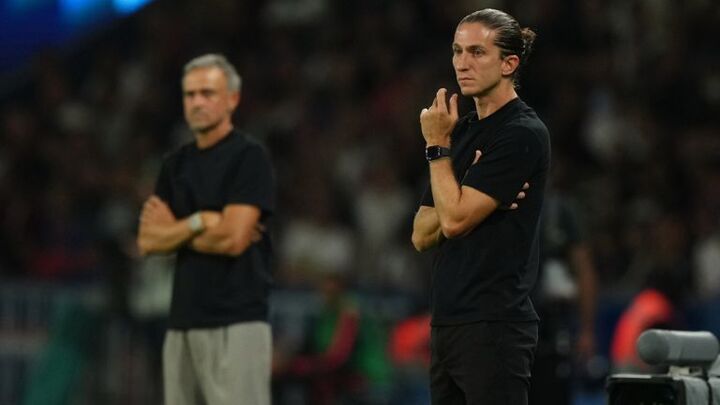
Scuro was impressed with Filipe Luis' work at Flamengo, where he won the Copa Libertadores last year. "We know how hard it is to do what he did." Importantly, he developed individuals too. "Changing the behaviour of the players at Flamengo."
He adds: "He can help us to give another step in our football project, which is becoming a better team, especially in possession." The signs are promising even if the deadline-day drama that saw Folarin Balogun and Lamine Camara stay brings ongoing issues.
The finances remain challenging as a result. "Last season, we were not able to deliver the same level of success and this creates a big impact on the way that we manage the team," says Scuro. "It is very important to consistently play in the Champions League."
But as ever with Monaco, the salvation can be found not just on the first-team pitch with Filipe Luis but at La Diagonale. "Our main goals is to be a top-three club in France systematically through players development and a very clear playing style," he adds.
"Developing players is crucial for us." And so it goes on for Monaco. A trio of teenagers in Safouane Benzahra, Oumar Kounate and Anis Soubeir all made their professional debuts in August with Benzahra going on to make his Ligue 1 bow in the win over PSG.
"It is incredible. Every time a kid comes to train with us it is always impressive," says Dier. "Players are produced all over the country now," adds Scuro. "But the reality is that Monaco has a much longer history of this." That next bedroom is waiting to be named.
 Монако
 Реал Мадрид
 Филипе Луис
 E. Dier
 K. Mbappé
Все комментарии (1)