
According to The Sun, football finance writer Paul Quinn has proposed a plan for Manchester City to pay £300 million and have their squad budget capped for five years, without points deductions or expulsion from English football.
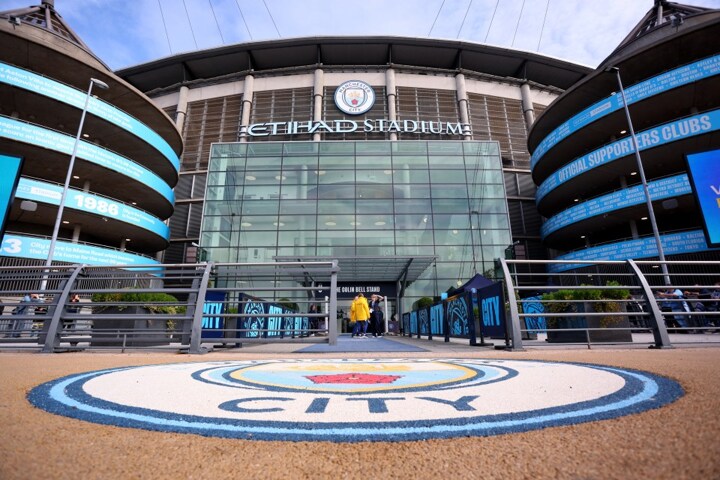
The proposal also includes penalties for those who orchestrated the rule breaches. The plan is expected to force Manchester City to cut transfer and wage spending, and possibly sell star players like Haaland, potentially ending the club's decade-long dominance.
Under the plan, Manchester City would not face points deductions or expulsion from the Premier League or English football. If Manchester City were stripped of trophies, only Liverpool would benefit. Both the Etihad side and other competitors would have to accept the agreement, avoiding further legal or disciplinary proceedings.
Legal experts, such as King's Counsel Paul Gilroy, have warned that Manchester City might not face sanctions for years, or even at all. Gilroy believes that Manchester City's appeal and sanction process cannot be completed this season, and the only path to swift resolution is for all parties to reach a settlement.
Quinn previously ran an Everton podcast for many years and wrote extensively about Everton's financial situation. He is now focusing on challenges facing other clubs and the wider football industry.
Quinn's proposal comprises three parts. The first is the largest fine in Premier League history—£300 million—to be distributed by the Premier League. Approximately £108 million would compensate the clubs most directly harmed by Manchester City's rule breaches: primarily Arsenal, Liverpool, and Manchester United, with smaller shares for Southampton, Chelsea, and West Ham United.
Another £115 million would be an "integrity dividend" distributed among these six clubs and others that faced Manchester City between the 2013/14 and 2017/18 seasons. The remaining approximately £77 million would go to the English Football League and the broader English football pyramid.
Quinn used a formula to calculate points gained through Manchester City's rule breaches, producing high, medium, and low estimates. Using the conservative low-end figure, he argues Manchester City cost Arsenal a Champions League spot in 2016/17 and similarly affected Manchester United in 2015/16.
Despite being an Everton supporter, Quinn's calculations also suggest Liverpool should have won the 2013/14 Premier League title. He estimates a 5-point deduction would have allowed Brendan Rodgers' Liverpool to overtake Manchester City and claim their 20th English top-flight championship. Southampton, West Ham United, and Chelsea would also gain places across these five seasons.
The Premier League accuses Manchester City of concealing £900 million through "fictitious" transactions over nine years. Manchester City was found guilty of 114 of the initial 115 charges, with the total now increased to 130 across six main categories.
Quinn focuses on the 2013/14 to 2017/18 period because the Premier League's Profit and Sustainability Rules took effect in 2013. Before then, Manchester City's owners could inject funds directly without breaching rules. The issue was that funds were disguised as sponsorship income.
The second part of the plan imposes a five-year restriction on Manchester City under the Premier League's squad cost ratio regulations. Clubs competing in European competitions can allocate up to 70% of revenue to squad costs, which include wages, player amortisation, and agent fees.
Quinn proposes reducing Manchester City's ratio to 50% for five years, mirroring the 2013/14 to 2017/18 period. Based on projections of Manchester City's revenue, this would cut their annual squad budget by approximately £150 million, or 25%.
This could force Manchester City to sell star players like Haaland and Enzo Fernández while reducing wages. Over five years, the cumulative difference between a 50% and 70% squad cost ratio would reach £883 million, roughly matching the £921 million in "fictitious" funds identified by the independent commission.
Quinn notes that even with these restrictions, Manchester City could still compete for 3rd to 6th place in the Premier League—a potential criticism of the plan. If the club can maintain Champions League qualification and avoid relegation, critics may argue the punishment is insufficient.
The article states that most would agree those responsible for Manchester City's rule breaches must face serious consequences. The commission's findings documented systematic, deliberate breaches and identified individuals aware of them, though names were redacted in initial disclosures.
Several Manchester City witnesses were accused of providing false testimony. The three-person panel accepted that one individual—believed to be nominal owner Sheikh Mansour—was unaware of these financial operations.
Quinn contends that those with knowledge should face penalties under Premier League rules and sanctions from the FA or an independent football regulator, potentially including long-term bans or forcing Sheikh Mansour to divest the club.
The article notes that Manchester City has taken an extremely strong stance throughout the process and the ruling. For the club to admit wrongdoing and for senior figures to face consequences would require a substantial shift in approach, especially if those involved hold positions within the Abu Dhabi and UAE governments.
The UAE has threatened to withdraw UK investments over the Manchester City ruling. The article highlights how this illustrates "sportswashing"—using investment in high-profile clubs to gain influence and power. Individual penalties fall outside the commission's scope, though it can award compensation settlements.
Premier League rules allow, beyond fines, points deductions, and expulsion, "other penalties as deemed appropriate," potentially including Quinn's proposed five-year squad cost cap. While Quinn does not claim his solution is perfect, it offers a framework for resolving the Manchester City case.
AF's PC site is now live! Browse full news, comments, match details and stats on your computer. Visit: www.allfootballapp.com
 Man City
Tất cả bình luận (12)