
According to The Athletic, Newcastle United's total transfer spending since the club's takeover this summer has exceeded £1 billion (approximately $1.3 billion USD).
Under the current ownership, the club's owners have spent £960 million on fixed transfer fees for 38 new players. When including agent commissions and Premier League bonuses, this figure rises to approximately £1.09 billion. These expenses could increase further as various bonus clauses are activated.
On 7 October 2021, a consortium led by Saudi Arabia's Public Investment Fund (PIF) with backing from the Reuben family acquired Newcastle United from Mike Ashley for an initial £305 million, subsequently investing nearly £500 million into the club.
The £1 billion figure is striking, and average annual spending of £200 million per season likely aligns with external expectations regarding Newcastle's trajectory following the 2021 takeover. Newcastle's total annual spending has only once been below £120 million and has twice been projected to exceed £280 million.
However, some reports at the time of the ownership change were misleading. Profligate transfer spending and replicating Manchester City's successful model were never part of Newcastle's plan. Meanwhile, other Premier League clubs quickly tightened rules on related-party transactions (APT), significantly limiting Newcastle's short-term commercial operating opportunities.
In reality, UEFA and Premier League financial regulations—first Profit and Sustainability Rules (PSR) and then the internal Squad Cost Rules (SCR)—made it impossible for Newcastle to replicate Manchester City's growth following its acquisition by the Abu Dhabi consortium in 2008 (and recent penalties against Manchester City show that even their success came at the cost of breaching spending limits).
If player sales are factored in, Newcastle's net transfer spending since the takeover is actually closer to £500 million. The club has generated over £500 million from player sales, and this figure could rise to £600 million if bonus clauses in deals are activated.
More importantly, Newcastle's net transfer spending has been concentrated in the early stages. Summer 2022 and 2023 were the two seasons with the highest acquisition spending—£241 million and £268 million respectively—but their player sales during these two transfer windows were also extraordinarily significant.
The club's four most expensive signings—Isak (£63 million), Tonali (£40 million), Guimarães (£36.5 million) and Gordon (£45 million)—occurred during this period.
In the first four transfer windows following the takeover, Newcastle spent over £400 million but received little from player sales. In June 2024, due to panic over PSR rules and to avoid a double-digit points deduction, the club hastily sold Elliot Anderson and Yankuba Minteh for £35 million and £30 million respectively. This shock prompted a strategic shift that was formally endorsed as the "trading model" after sporting director Ross Wilson and chief executive Darren Eales took their positions last year.
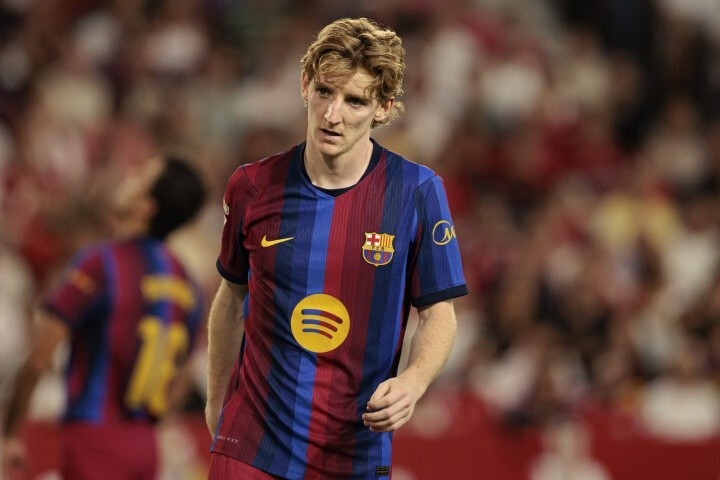
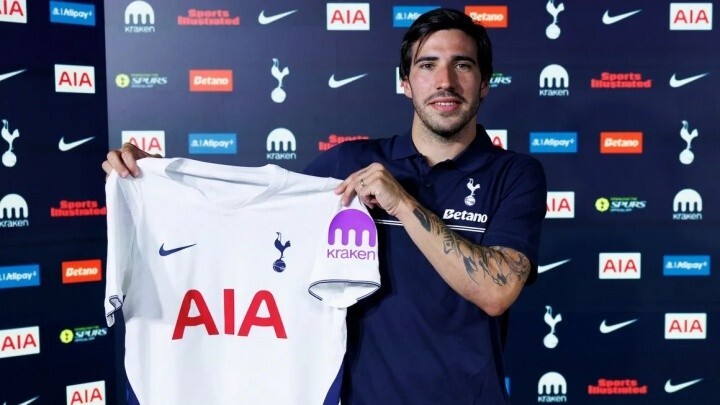
As the data shows, Newcastle's average net spending over a rolling three-year period has changed significantly since Ashley's departure. While acquisition spending in 2024 recovered from the sharp decline the previous year, player sale revenues also increased substantially. In the most recent transfer window this summer, to comply with UEFA regulations, Newcastle had to sell Gordon to Barcelona and then Tonali to Tottenham to raise funds for a broader squad overhaul.
Moreover, although Newcastle has twice broken its own transfer record under current ownership—signing Isak for £63 million in 2022 and Nick Sivestrí for £76 million last year—they have never approached the £100 million mark that some competitors have repeatedly exceeded. The three highest transfer fees they have paid came from the traditional "Big Six," highlighting the competitive disadvantage they continue to face. Newcastle's revenue level hinders their ability to keep pace with leading clubs. Since 2024, their net transfer spending has largely stagnated, remaining significantly below elite club spending and sometimes less than half their expenditure.
Compared to the Ashley era, Newcastle's total squad valuation is now closer to elite teams, though a gap remains. Squad valuation is the balance sheet figure calculated by the club at the end of its financial year, including all capitalized costs associated with acquiring registered players and other football personnel. Newcastle's squad valuation was £233.3 million in the 2020/21 season and grew to £581.1 million by the 2024/25 season. In 2021, Manchester City had the highest squad valuation at £977.7 million, four times Newcastle's figure.
By 2025, Chelsea topped the list at £1.51 billion, less than three times Newcastle's valuation. In proportional terms, the gap has narrowed, and Newcastle's current trajectory is closer to Tottenham and Liverpool than it was under Ashley.
Newcastle's wage bill has also risen sharply: from below the Premier League average for non-Big Six clubs to more than 50% above that average when they won the League Cup in the 2024/25 season. In Ashley's final season, Newcastle's wage bill was £106.8 million, slightly below the average for the "other 13 Premier League clubs." By the 2024/25 season, their total wage bill reached £243.5 million, while the average for the 13 non-elite league clubs was £157.5 million.
Despite increased spending, Eddie Howe's team has outperformed relative to its wage bill. This was most evident in the 2022/23 season, when the team ranked 10th in Premier League wages yet finished fourth and qualified for the Champions League. However, a disappointing fall to 12th place last season ended that trend. Although Newcastle's wage bill has more than doubled since the takeover, the gap with Big Six average spending has not narrowed at the same rate. The issue is that Big Six wage spending has not stagnated but increased by a fifth. Given Newcastle's initial deficit, this makes it very difficult for them to close such a massive spending gap in the short to medium term.
Eales has repeatedly emphasized the direct link between wages and success. To realize his ambitious "Vision 2030," Newcastle needs to invest more in wages, but Premier League and UEFA rules tie spending to revenues, limiting the club's ability to further increase its wage bill. Wages are fixed costs that impact SCR, and Newcastle has begun cutting these expenses in the recent transfer window. The Saint James' Park hierarchy believes that after the team finished in the lower half of the table last season, spending at a level sufficient for European qualification became untenable.
In future financial reports, we will likely see a reduction in Newcastle's wage spending, which will underscore the challenges facing an ambitious club in truly joining and establishing itself among the elite.
Newcastle shifted from profitability under Ashley to significant losses under current ownership. In the 2017/18 and 2018/19 seasons, Newcastle was actually profitable. From the 2021/22 season through 2024/25, Newcastle's cumulative losses reached £254 million. Sources indicate the club expects losses exceeding £100 million again in the 2026/27 season.
Since PIF's arrival, Newcastle's losses have exceeded £70 million in every season for which financial data is available. Losses would have been even larger had the club not sold St James' Park stadium and surrounding land to itself for £176.2 million in June 2025. This maneuver converted a £98.4 million loss into a reported profit of £133.1 million. Newcastle, which had previously resisted such PSR operations, eventually capitulated. Over these five years, fans and even some insiders have questioned PIF's commitment, as plans for a new training ground were only announced in August this year, and the stadium's future remains uncertain.
However, the owners have repeatedly covered losses through regular capital injections. The consortium has invested £491.9 million into the club, averaging nearly £100 million per season. Over this period, only Chelsea (£1.26 billion), Everton (£705.9 million), and Aston Villa (£506.7 million) received greater cumulative owner investment.
Club representatives claim the owners would have invested more if regulations permitted. It has been repeatedly emphasized that Newcastle seeks to spend the maximum allowable within the rules. Eales's plan is to significantly increase Newcastle's revenues, thereby reducing reliance on the owners over time. But despite their overperformance relative to their financial position, Newcastle's achievements over these five years would have been impossible without PIF's substantial support.
Переведено ИИ.
Сайт AF теперь доступен! Читайте полные новости, комментарии, детали матчей и статистику на компьютере. Посетите: www.allfootballapp.com
 Newcastle
Tất cả bình luận