
Former Premier League referee Graham Scott published an article in The Athletic, answering fan questions regarding referee decisions in the Liverpool vs. Manchester City and Manchester United vs. Tottenham Hotspur matches.
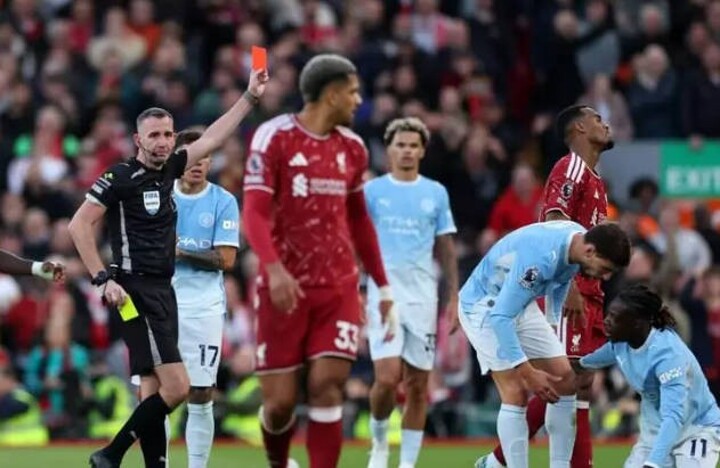
At the last World Cup, VAR could review and overturn a second yellow card. I thought the second yellow card decision for Gravenberch in the Liverpool vs. Manchester City match was questionable. If VAR could intervene, do you think it would meet the "clear and obvious" standard?
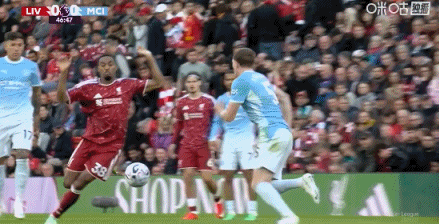
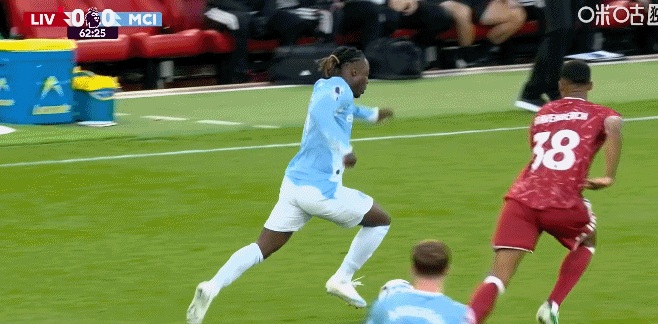
In the Premier League, VAR can review decisions for second yellow cards, just as it did at the World Cup, but the threshold for intervention is very high. It's only triggered when an error is undeniable—for example, if replays show the ball hitting a player's face, VAR would step in on a second yellow card decision.
Gravenberch's second yellow card decision would not be universally agreed upon, but it wasn't entirely wrong. Therefore, the VAR decision was correct. The foul was slightly clumsy and might not have warranted a yellow card in isolation, but the referee deemed it to have stopped a promising attack, making the decision reasonable.
His first yellow card was more controversial—a strange foul where it was difficult to immediately see exactly where Elliott-Anderson was contacted. Elliott-Anderson admirably tried to stay on his feet. Only after several replays did it become clear that the foul was more careless than reckless, making the yellow card decision slightly harsh. However, VAR cannot review a first yellow card unless it involves mistaken identity.
In football's definition of a "headbutt," why is it simply leaning the head forward rather than requiring contact after the head moves a significant distance? In the Manchester United match, Bentancur's actions and dangerous tackle seemed sufficient for a red card, but I find it strange that such minimal head contact would result in dismissal. I think the tackle should have been punished more severely, and Luke Shaw's shove appeared more violent than this "headbutt."
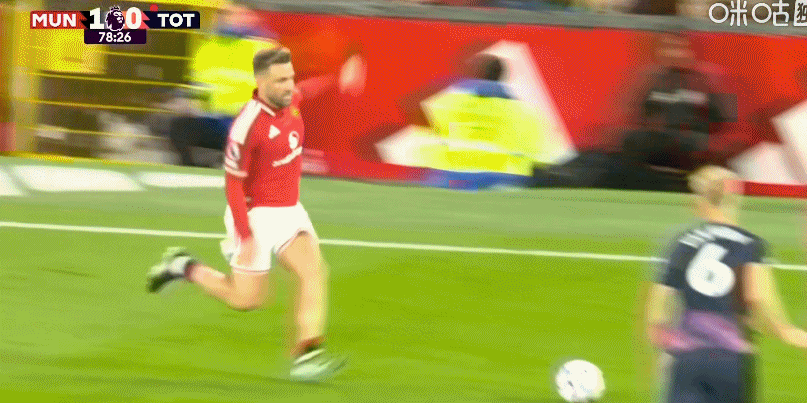
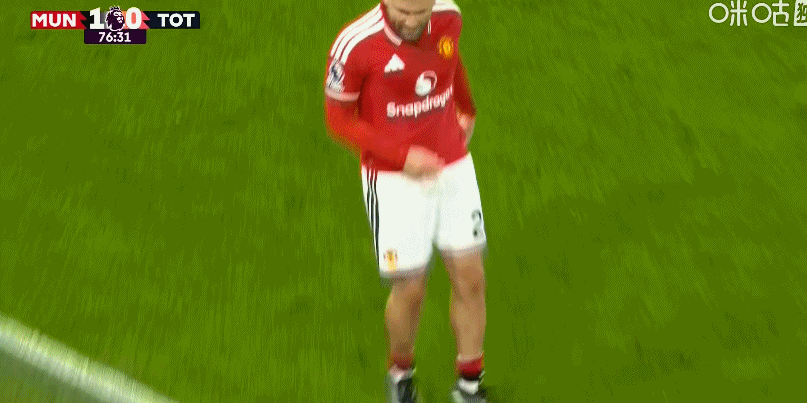
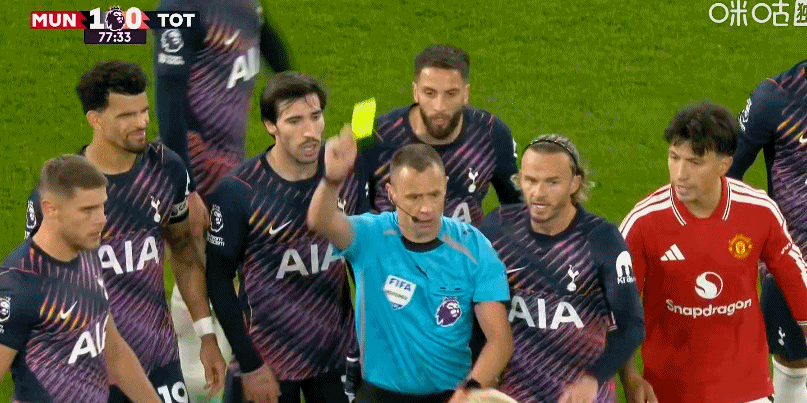
There has long been controversy in football regarding the definition of violent conduct, which refers to aggressive contact between players when not disputing the ball. Currently, the Premier League requires referees to send off players who make serious contact with an opponent's head, face, or neck with more than negligible force.
Players using fists or heads to attack are almost always sent off, though last season Gabriel of Arsenal escaped a red card when he headbutted Haaland in a Manchester City match. At the time, the referee deemed Gabriel's impact force negligible because he was moving backward, whereas Bentancur was aggressively moving toward Luke Shaw.
Lower contact, such as a push to the chest, is usually classified as unsporting behavior unless the force used is very high, putting the victim at risk of serious injury, or it is clearly violent in nature, such as a full-force punch or kick. Given these guidelines, referee Attwell made the correct decision at Old Trafford.
I also thought the tackle was dangerous, and I would like to see such fouls result in a red card and be completely removed from the game. However, the Premier League only expects players to be sent off for serious foul play when both the intensity of the tackle and the point of contact are high.
Fortunately, Bentancur did not actually tackle Luke Shaw, so the league would normally expect only a yellow card. Given what happened, Attwell's decision to issue a red card was technically incorrect but reasonable under the circumstances.
Why does the Professional Game Match Officials Limited (PGMOL) not understand that conflict of interest includes the perception of conflict of interest? Kavanagh is from the Greater Manchester area, and assigning him to officiate Liverpool vs. Manchester City invites accusations and puts unnecessary pressure on him. Wouldn't someone like John Brooks be a more suitable choice?
Your question highlights a broader issue that PGMOL seems determined to ignore: the severe underrepresentation of officials from Southeast England in top refereeing positions. In the 25 years since the Premier League established its own referees, not a single referee from London and its surrounding counties has been promoted to the Premier League.
Several referees from the Southeast on the initial list have since departed. Given that this issue has been repeatedly highlighted, one wonders whether this regional bias is still unconscious. Referees from London and its surrounding areas are frustrated by the continuous promotion of referees from Yorkshire and the Northwest. The lack of diversity among top referees extends beyond race and gender to geography.
Proactive action is urgently needed from all sides, but I remain skeptical. That said, Kavanagh is fully qualified to officiate this match. He supports neither team and is accustomed to handling Manchester club matches. His experience with over 250 Premier League and UEFA matches has trained him to see only the game itself.
In Liverpool's match against Manchester City last season, after Doku was fouled, Kavanagh initially dismissed Manchester City's penalty appeal until VAR intervened and awarded it. The year before, he correctly awarded Manchester City a penalty at Anfield. Any perceived bias exists in others' imaginations, not in Kavanagh's decisions.
Why was Neco Williams' goal for Nottingham Forest against Tottenham Hotspur disallowed, while Lerma's goal for Crystal Palace against Nottingham Forest was allowed?
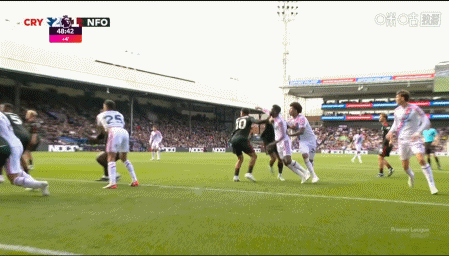
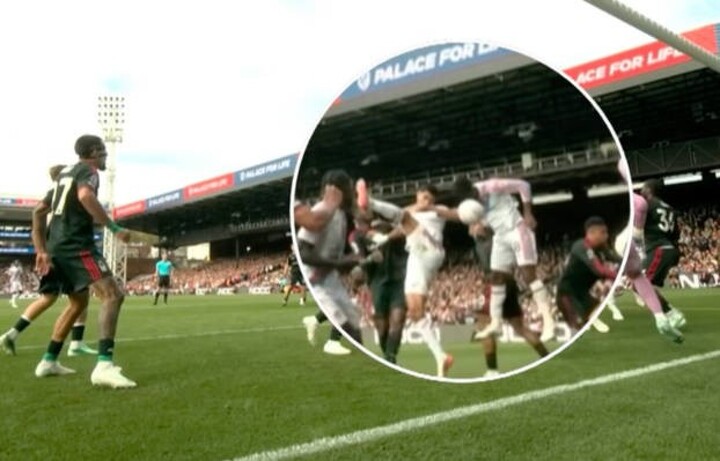
Good question—which is polite speak for "I don't know"—and it also frustrates Nottingham Forest. I believe both goals should have stood, but mainly because I dislike what the handball rule dictates in these situations. According to the rules, both goals should have been disallowed. These cases demonstrate that while VAR aims for consistency, it operates within specific contexts and therefore produces different outcomes.
VAR faces pressure to complete checks before play restarts, creating a trade-off between speed and accuracy. However, once play is delayed for a VAR check, it can take as long as needed.
In Williams' case, there was immediate suspicion of a handball offense, prompting a detailed VAR review lasting 2 minutes and 30 seconds to determine whether the ball struck his hand or arm. There was a strong argument that the evidence was inconclusive, but by coincidence, offside camera footage ultimately confirmed the decision's correctness.
After Lerma's goal, there seemed to be no controversy, and initial replays showed no obvious foul. It was only just before play restarted that footage emerged showing the ball brushing Olise's elbow before entering the net. In the seconds available before confirming the goal, VAR determined there was insufficient evidence to disallow it. A lengthier review might have reached a different conclusion.
Do we prioritize consistency, speed, common sense, or accuracy in VAR? Credit to Glasner for graciously accepting the decision.
AF's PC site is now live! Browse full news, comments, match details and stats on your computer. Visit: www.allfootballapp.com
 MU
MU
 Liverpool
 Tottenham
 Man City
 Crystal Palace
 Nottingham Forest
 Oliver Glasner
 Luke Shaw
 Jefferson Lerma
 Rodrigo Bentancur
 Elliot Anderson
 Jérémy Doku
 Gravenberch
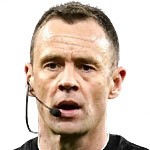 Stuart Attwell
 Chris Kavanagh
 G. Scott
Tất cả bình luận (2)