
Gignac will turn 40 on September 30. To mark this milestone, L'Équipe conducted an interview with the French striker. In the first part of the interview (divided into four sections due to length), Gignac discussed his current physical condition.
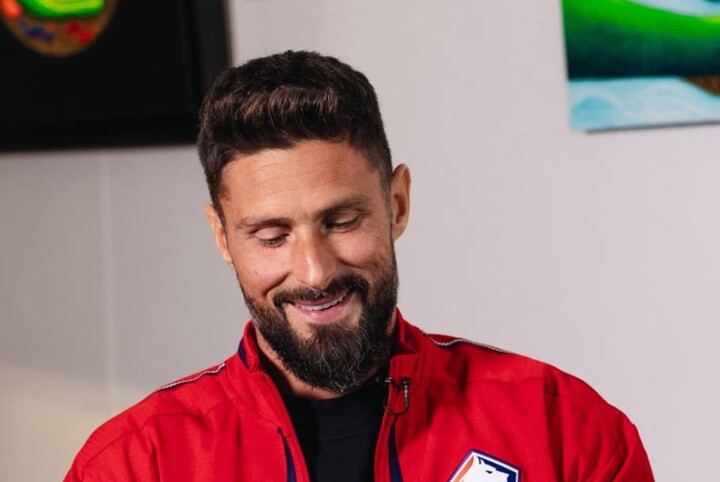
Do you have any regrets about returning to play in France?
"Regrets" is a word that barely exists in my dictionary. However, people close to me have given me two very different perspectives. Some say, "People will remember what you've done for Montpellier and for the French national team." Others worried that I wouldn't be able to finish my career well. As a competitive athlete, I'm always afraid of the years when I can no longer keep up, but I don't know when that will come. In any case, coming to Lille was one of the best decisions of my life.
This club, this region, everything fits me perfectly. There have certainly been risks. But I'm prepared to continue facing physical challenges and to keep improving myself. Even at 40, I can still make progress.
When you started your playing career, what did a 40-year-old player mean to you?
I started my professional career in 2006. Back then, the role models were Baresi and Maldini, and they played until they were 38 or 39 years old. They were like gods to me. There weren't many ways to have a long career like nowadays. Maldini is the perfect example of discipline and lifestyle. You have to make sacrifices in your daily life to maintain a professional football career, and that shows in your physical condition.
How do you view the older players in the locker room?
I had an excellent role model. I discussed this with Lille midfielder Bentaleb recently—I'm talking about Akroul. Akroul is an Algerian international who earned 18 caps and scored 6 goals for the national team.
When I started my playing career, I was about 18 or 19 years old, and he was 31 or 32. He played until he was nearly 50. His professionalism was admirable. He was lean and strong. He was also one of the players who ran the most in the team.
At the time, I thought, "He's 32, so he only has a few more years left." But when he returned from Istres in 2008 (French national championship), he was still the team's top striker. I thought to myself, "My God, how much longer will he play?"
Your body is often said to be a testament to years of battles. What does the body of a 40-year-old striker look like?
Last Wednesday, I had hyaluronic acid or corticosteroids injected into my joints. It helps with recovery and reduces inflammation. Yes, I've suffered many injuries in both ankles over the years, and my right ankle has been so damaged that it's constantly swollen. The younger players on the team even joke about it, asking, "Why is your right ankle so swollen, like a tennis ball?" I tell them, "That's what a 40-year-old ankle looks like" (laughing). Plus, my lower back and knees are affected too. I had knee surgery when I was 19, and my knees still have issues today.
My body creaks everywhere, but I can keep these parts moving by lubricating them. I can still manage it, but as I get older, hoping to be completely injury-free is wishful thinking.
Which is harder—physical or mental challenges?
It depends on the individual. Take Ibrahimovic, for example. I worked with him at Milan. He played until he was 41, and eventually his knees stopped him. But I spoke with him, and he still wanted to keep playing.
The most important mental factor is determination. It's about the willingness to make sacrifices and maintain daily training because you love football. The young players at Lille already have good mental strength, but going through this routine every day at their age can be exhausting.
AI ဘာသာပြန်ဆိုသည်။
AF ၏ PC ဝဘ်ဆိုက် စတင်ထွက်ရှိပြီ! သင့်ကွန်ပျူတာမှ သတင်းများ၊ မှတ်ချက်များ၊ ပွဲစဉ်အသေးစိတ်နှင့် စာရင်းဇယားများကြည့်ရှုနိုင်သည်။ ဝင်ရောက်ရန်: www.allfootballapp.com
 里尔
里尔
 法国
法国
 伊布拉希莫维奇
 保罗-马尔蒂尼
 吉鲁
吉鲁
全部评论