
According to The Athletic, the first international window of the season stretched to four matches, causing several Premier League players to return to their clubs injured, public discontent from multiple national team managers, and widespread questioning about long-distance travel and congested calendars.
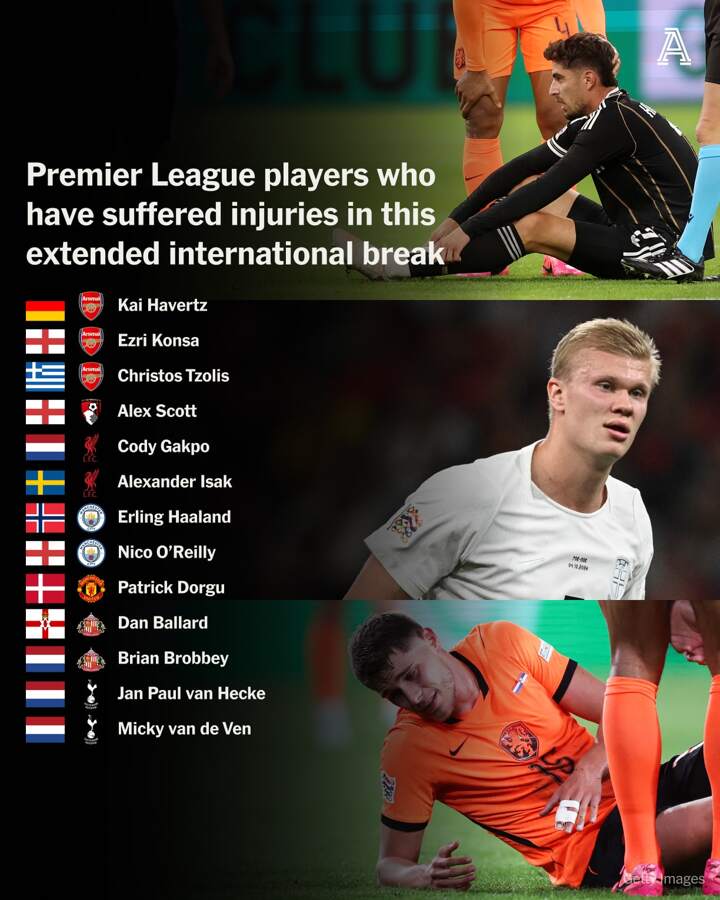
What do Haaland, Isak, Gakpo, Scott, O'Reilly, Ezri Ngoyo, Jan-Paul van Hecke, Micky van de Ven, Kai Havertz, Patric Dorgu, Brian Brobbey, Dan Ballard, and Christos Tzolis have in common?
If you said "they're all Premier League players," you'd be strictly correct and earn half a point. But if you said "they're all Premier League players who returned to their clubs with injuries after the first international window of the season," then congratulations—you're absolutely right and get full marks!
It's quite a long list of injuries, some minor enough to allow players back for weekend matches, but others will keep key players sidelined for extended periods. Scott is expected to miss two months with a quadriceps issue, Gakpo has a thigh injury with no timeline yet, Brobbey has a hamstring injury, and Dorgu, Havertz, and Tzolis all suffered hamstring injuries of varying severity.
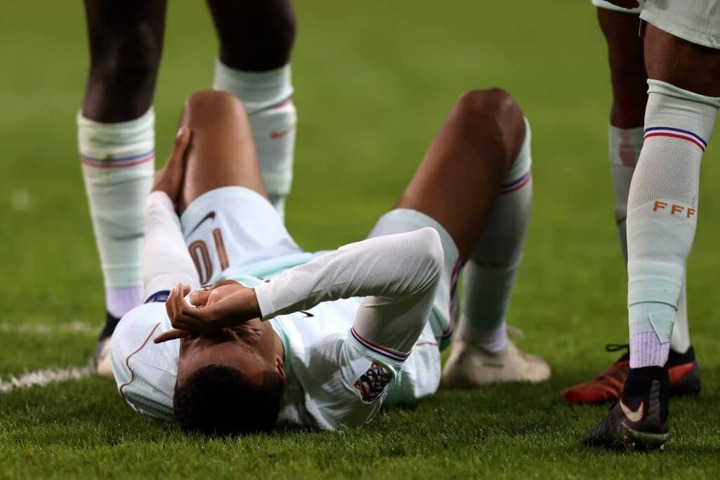
On top of that, Raphinha suffered a thigh injury while with Brazil, and Kylian Mbappé left France's camp with a knee problem.
Injuries are inevitable, but such a concentrated wave of them is unlikely to make the extended international window more popular. Previously, there were international windows in September, October, and November each year, with two matches in each. This year's calendar extended September's window to four matches while shortening November's.
This was an intense period of international football, and while it's impossible to confirm it directly caused this injury wave, it's hard to absolve it of blame.
Clubs won't be happy, and most national team managers don't seem pleased either.
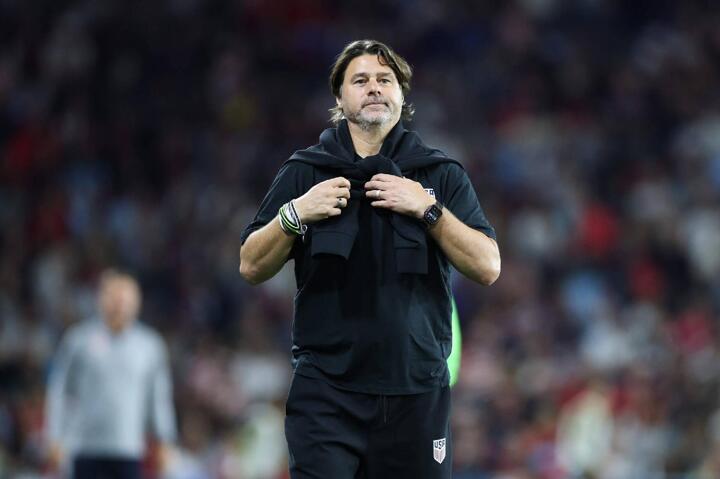
"It's a very difficult window, playing four matches," said U.S. national team manager Mauricio Pochettino. "A lot of travel, long flights. We need to send a message to clubs that we care about the players, and we must be careful, and we must consider each situation and not take risks... we must be responsible."
Pochettino is far from the only manager expressing concerns.
Thomas Tuchel was skeptical at the start of this window, and while he saw some positives by the end, he preferred the previous calendar.
"I didn't like it at the start, having such a long window right after such a long, intense competition—being concentrated for such a long time after a very, very long competition," he told media before England's 3-0 victory over Czech Republic on Tuesday.
"There are positives: more consecutive training sessions, more meetings, you see progress. We've organized this camp well, but I'd prefer three camps to give more players opportunities to show themselves between camps. It is what it is, and we've made the most of it."
Others were more direct. "I enjoyed it, and I think the players did too, but four matches in such a short period is too demanding, especially for them," said Italy manager Roberto Mancini.
"Nobody contacted me to ask my opinion, that's for sure," said World Cup-winning Spain manager Luis de la Fuente. "We weren't consulted. We have to play four matches in 11 days; with travel and everything else, it's extremely demanding. We'd be happy to play all the matches, but this isn't the most appropriate arrangement."
New Netherlands manager Xavi Hernández was even more critical. "The calendar is poor," he said at a press conference. "It's bad for national teams and bad for clubs that sometimes see their players return injured after releasing them. Setting up such a cramped schedule three months after the World Cup is asking for trouble. There's also training, travel, match recovery, and so on. It's very unusual to have an international window like this at this stage of the season."
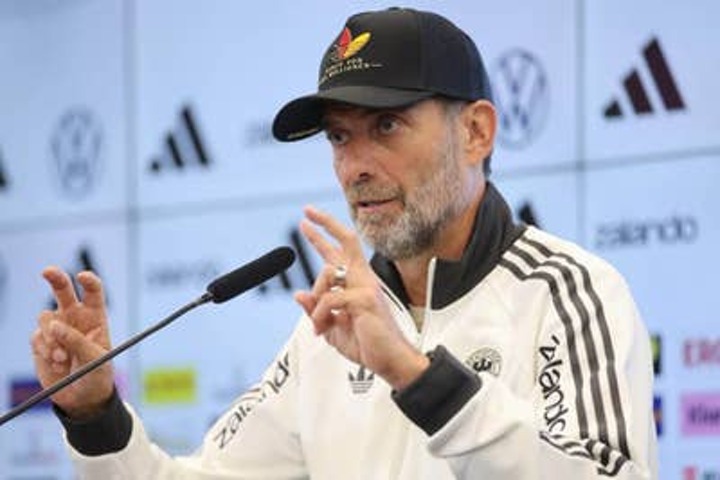
Not everything was negative. Some managers used it creatively: Jürgen Klopp called up two squads for Germany, giving players who otherwise wouldn't have made the national team a chance to impress.
Canceling October's international window added a week to the domestic calendar. In theory, it also reduced travel for some players: South American or African players based in Europe would only need to make one long round trip to play for their country instead of two.
But in practice, did it really reduce player travel? Pochettino pointed to the flight distances the U.S. team had to cover: Atlanta to Orlando, Orlando to Atlanta, Atlanta to St. Louis, then St. Louis to Arizona. Nearly 2,500 miles flown in just over two weeks.
While European teams covered shorter distances, there was still considerable travel in a short time: England played Spain at home, then traveled to Czech Republic, then to Croatia, and finally back to London—all in 11 days. Italy played at home, then traveled to Turkey, then to France, and finally back home. Spain's schedule was relatively lighter, but they still had to travel to England, return home for two matches, then travel to Croatia.
Africa's schedule was possibly even more absurd, with most nations playing two African Cup of Nations 2027 qualifying matches, then filling their calendar with meaningless friendlies. Most matches were played in Africa, and many nations organized friendlies at relatively sensible locations, but Benin played qualifiers in Burkina Faso and Ivory Coast, then flew to Argentina for Messi's farewell match.
It gets worse when countries like Brazil take advantage of the international window to travel to Australia for two matches and then to India for one. Uruguay went to Japan, then South Korea, then India. Colombia and Chile traveled to the United States and Canada for a series of friendlies.
This was a period with no competitive international matches in South America, as all CONMEBOL teams automatically qualified for Copa América, and World Cup qualifiers are still distant. The extended international window left plenty of time to fill with matches, and FIFA should have known these federations would fill the time as profitably as possible, just as clubs do with preseason and postseason tours to distant locations. Brazil reportedly received $4 million to play in India.
Perhaps they would still undertake these trips during standard, shorter international windows, but those trips wouldn't be as concentrated and grueling.
Next year could be different, when this long international window doesn't immediately follow the longest World Cup in history. But a long gap has opened up in the domestic football calendar, ostensibly for the benefit of international football. If the players involved are constantly getting injured, some end up traveling more, and nearly every national team manager disapproves, it seems like a problem solved in a way that satisfies no one.
Traducido por IA.
¡El sitio web de AF ya está disponible! Consulta noticias, comentarios, detalles de partidos y estadísticas en tu ordenador. Visita: www.allfootballapp.com
 Arsenal
 MU
MU
 Liverpool
 Man City
 Sunderland
 Bournemouth
 Isak
Isak
 Ezri Konsa
 Havertz
 Erling Haaland
 Cody Gakpo
 Brian Brobbey
 Christos Tzolis
 Alex Scott
 Patrick Dorgu
Tất cả bình luận