
This week, Aymeric Laporte was invited to appear on the YouTube show of former footballer Mario Suárez called "Mario's Journey." In the first part of the show (which was divided into five parts due to its length), he discussed his decision to play for the Spanish national team.
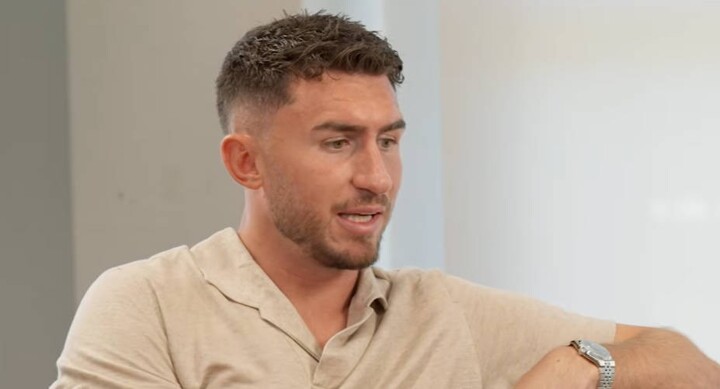
What is it like to be a world champion? Very few people have that experience. To achieve that, frankly, I feel incredibly happy. When you look back at when you changed nationality, and now you have all the major trophies with Spain, you must be filled with pride.
Of course, that feeling is indescribable. We not only won the FIFA World Cup, but also the UEFA Nations League and the European Championship. Even though we didn't win all these trophies, I still feel immensely proud. My family is rooted here. My wife, my children, and most of my friends live here. I am deeply connected to Spain and very happy about the journey we have shared over the past few years.
Let's drop the pleasantries. I'll say it again: I think you're the best center-back in world football. How do you feel about not being included in the best XI? You faced the same situation at Euro 2024, so it's not surprising, right? Why do you think this happens?
There's no clear answer. I've spoken about this many times, but it's often misinterpreted, and people think I'm complaining. But ultimately, commercial marketing carries a lot of weight, and I haven't received enough commercial promotion.
Based on your performances on the pitch, you shouldn't need that. How do you feel about returning to Athletic Bilbao after winning the World Cup? What was the first thing your new coach said to you? What was your overall experience coming back?
I was already in contact with the new head coach during the World Cup. We exchanged messages, discussed plans for the season, and talked about the World Cup competition. I also got along well with my teammates. The first two matches didn't go as planned, and now we're working hard to turn things around, trying to win every time, which is how it should be.
Compared to previous coaches, what is the biggest change that Terzic has brought?
He is German, which in itself brings many differences. Most communication within the team is in English. Tactically, he wants to play football in a style different from previous seasons—at least quite different from last season. His most distinctive characteristic is creating new playing approaches, seeking more possession and passing.
Let's talk about the national team again. How did you decide to change your nationality to Spain? Why did you make that decision?
The whole process took a long time. There were initial attempts that didn't work out. About a year and a half to two years later, officials from the Spanish Football Federation approached me and said, "We really want to call you up and wondered if you'd ever thought about playing for Spain." After careful discussion, we all agreed this was an opportunity not to be missed, and everything proceeded from there.
You played for several French youth teams, including U21, right? And you were called up to the senior French national team three times. How did your family and close friends react to this change of nationality?
My paternal relatives are all French and have strong nationalist feelings about France. Everyone believed deeply that "you are French." I myself have a deep connection to France. However, my situation with the French national team gradually led me to abandon the idea of playing only for France.
Additionally, Athletic Bilbao accepted me. I grew up there and had the opportunity to play in La Liga. With multiple factors combined, I carefully weighed my options and made my decision. At that time, the French national team coach had been in position for many years, and I was not in his plans at all. Since I was playing at a high level for Manchester City, I decided to change my nationality.
For us, this was a blessing. You must face criticism regularly from playing for Spain. How do you view this criticism?
I've been accustomed to external criticism since I was young. Criticism is inevitably uncomfortable, and it only hurts me on a limited personal level. However, it greatly upsets my family members. For example, my parents might hear unfavorable comments on the street. They never experienced this before, and it's been difficult for them to cope with.
As a footballer, you know that good performances come with mistakes, and criticism always follows. Even legends like Messi and Cristiano Ronaldo have been booed by fans at Camp Nou and Bernabéu. It was hard to process all this when I was 17 years old.
You do your best, but you still face criticism. But I'm not that teenager anymore. My thinking as an adult is more mature, and criticism barely affects me now. My family has also gradually gotten used to it and no longer pay attention to these voices, which is a good thing.
แปลโดย AI
เว็บไซต์ AF เปิดตัวแล้ว! ดูข่าว ความคิดเห็น รายละเอียดแมตช์ และสถิติครบถ้วนบนคอมพิวเตอร์ของคุณ เยี่ยมชม: www.allfootballapp.com
 France
 Athletic Club
 Spain
Spain
 Terzic
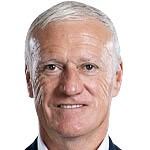 Didier Deschamps
 Laporte
All Comments