
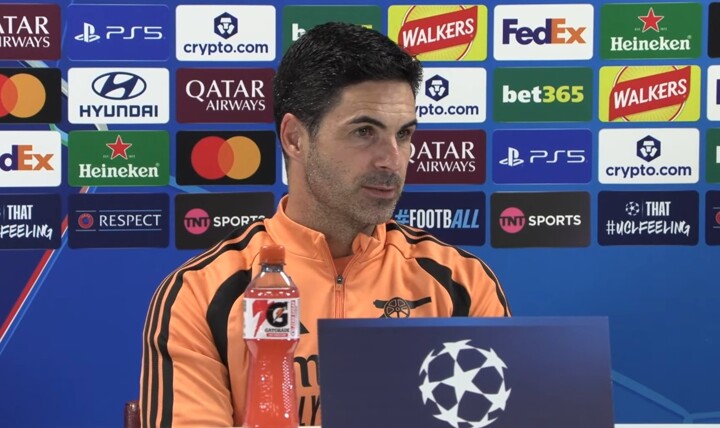
Arsenal manager Arteta held a pre-match press conference ahead of the second matchday of the UEFA Champions League group stage at home against Lille. In the second part of the press conference, Arteta discussed Saliba's recovery progress, the specific ankle injuries to Hincapié and Zubimendi, the use of Eze and Timber, the team's goal to win the Champions League, and the controversy surrounding extra post-match training sessions that led to player injuries.
Journalist: Hello, Mikel. It appears William Saliba is doing individual recovery training on the sideline. How long has he been back training? How is his recovery progressing?
Arteta: I think it's been more than a week now. Obviously, we're managing his training load and how many sessions and consecutive sets he can do. But he's gradually regaining his physical capacity and approaching a good level. We'll see in the coming weeks if we can start integrating him into full team training to assess his specific progress and get him back on the squad list as soon as possible.
Journalist: There's an international break in mid-November. Do you think that's a realistic target for him to return by?
Arteta: I'm not sure yet. We're still talking in terms of weeks, and as for a specific return date, it's difficult to say whether he'll play before or after the break. Because it's a very specific injury, and I can't precisely predict how his body will respond to the healing process.
Journalist: Hello, Mikel. Regarding Piero Hincapié, it appears to be an ankle injury, is that correct? Also, what's the issue with Martín Zubimendi?
Arteta: Both. Both have ankle injuries.
Journalist: Regarding the "emotional control" you just mentioned, I'd like to know what exactly you're referring to. How important is it in these high-stakes matches?
Arteta: It's about controlling the current situation, dictating the pace of the game, and ensuring our emotional state matches the demands of the match, without distractions from other factors. If the match requires us to respond, to show energy and fighting spirit, to be decisive and brave to turn things around or change the tempo, then we need to act that way. If the match requires everyone to stay calm and cool the situation down, then we need to have that control too. To do that, we need an extremely clear and deep understanding of everything happening on the pitch.
Journalist: Hello, Mikel. Earlier this season you said that if an attacking player was unhappy with their playing time, they could always knock on your office door. I'd like to ask whether Eberechi Eze has come to speak with you, expressing a desire to return to the starting lineup, and what does he need to do?
Arteta: He hasn't come to see me. I think I've always been very proactive about this, trying to communicate with everyone, maintaining close contact, making sure they understand clearly what the team expects from each of them, what our standards are, and being very specific when possible about when they'll play and when they won't. So far, this communication has worked well, but we need to persevere. Whether players start or come off the bench to finish the match, we need them to be completely prepared as always, ready to change the game or make a crucial contribution, and that's what we need to win matches.
Journalist: Another question about Bukayo Saka, who has obviously made history in this competition. You mentioned the need to protect him properly and use him at the right time. Do you think he can play on the left, or do you believe playing in the center and on the right are his strongest positions?
Arteta: We haven't seen much of Bukayo on the left. I believe that, especially considering how we've developed him and his daily training in those two positions, playing centrally and on the right could be more natural for him at this moment. But with the talent he possesses, if we needed to play him in a new position, I believe he'd be fully capable of adapting at some point.
Journalist: Hello, good afternoon, Mikel. You mentioned earlier that you felt unwell before the weekend match. Do you still have that stomach issue ahead of the Champions League final? Also, regarding the consistent message you give players about overcoming challenges and winning should you reach the Champions League final again in the future, what has that message always been?
Arteta: It's that you have to fight to earn the right to be on that stage again. We know how difficult it is, and we know how many times we've reached the final in our club's history. So first, let's acknowledge that. Tomorrow we'll face an extremely difficult opponent. They're very, very well coached, and I think David's coaching has been enormously successful. You can clearly see their competitive nature and how they play, and the problems they create for strong teams. Tomorrow's match will be no exception, but we're ready.
Journalist: You brought Bruno Guimarães on at the weekend, and he scored the winning goal. When evaluating players who have the ability to score decisive late goals compared to their performance in daily training, what do you prioritize more in selecting your starting lineup or making substitutions?
Arteta: What do you mean?
Journalist: I mean, when selecting players, what carries more weight in your consideration: evaluating a player's form in training, or evaluating the match-deciding ability shown by someone like Bruno Guimarães who comes off the bench?
Arteta: Sometimes I select the starting lineup or specific players based on my anticipation, especially planning options for the end of the match from the start, because at this level, most matches are decided in the final phases. We have players on the bench with this ability, and obviously, we'll make full use of this tactical resource.
Journalist: Both players have ankle injuries. Is there a clear timeframe for how long they'll be absent?
Arteta: Not yet. What's certain is that both will miss tomorrow's match. They'll undergo further tests today, and we'll probably know more tomorrow, then we'll see how the injuries develop. I believe Piero's injury seems relatively more serious, but we have to wait and see.
Journalist: Obviously, the way these injuries occurred was far from ideal. Does this lead you to consider canceling such extra post-match training sessions and warm-up activities in the future?
Arteta: In moments like this, it's very easy for people to have an impulse: "Oh, we don't want to take this risk anymore, let's do something else." But realistically, the day after we'd do the same training. When you play these small-sided matches, there will inevitably be physical contact, and this type of incident will happen. This didn't happen just once last season, and I remember we trained 37 times last season. So yes, because the training is public and visible to everyone, people raise various questions, but it's very difficult to make adjustments now to absolutely avoid injuries. My reflection is: if we were to do it again, following the 7-day plan we established for players who had insufficient load during that period, would we do it? The answer is yes, because football is inherently a contact sport, and these incidents are inevitable. The only thing we can do is tell everyone: "Guys, you're too competitive, when we do this training, please go a bit easier on each other in challenges." Try to eliminate all dangerous actions. That's all.
Tradotto dall'IA.
Il sito web di AF è ora online! Notizie complete, commenti, dettagli delle partite e statistiche sul tuo computer. Visita: www.allfootballapp.com
 Arsenal
 Arteta
 Guimaraes
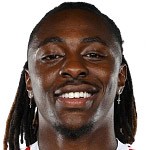 Eberechi Eze
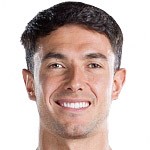 Martín Zubimendi
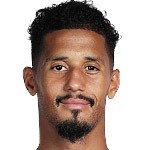 Saliba
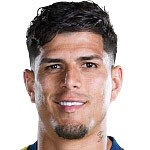 Hincapie
 Max Dowman
All Comments